Decades of Transformation: Historical Data on Bookmaker Deal Structure Changes
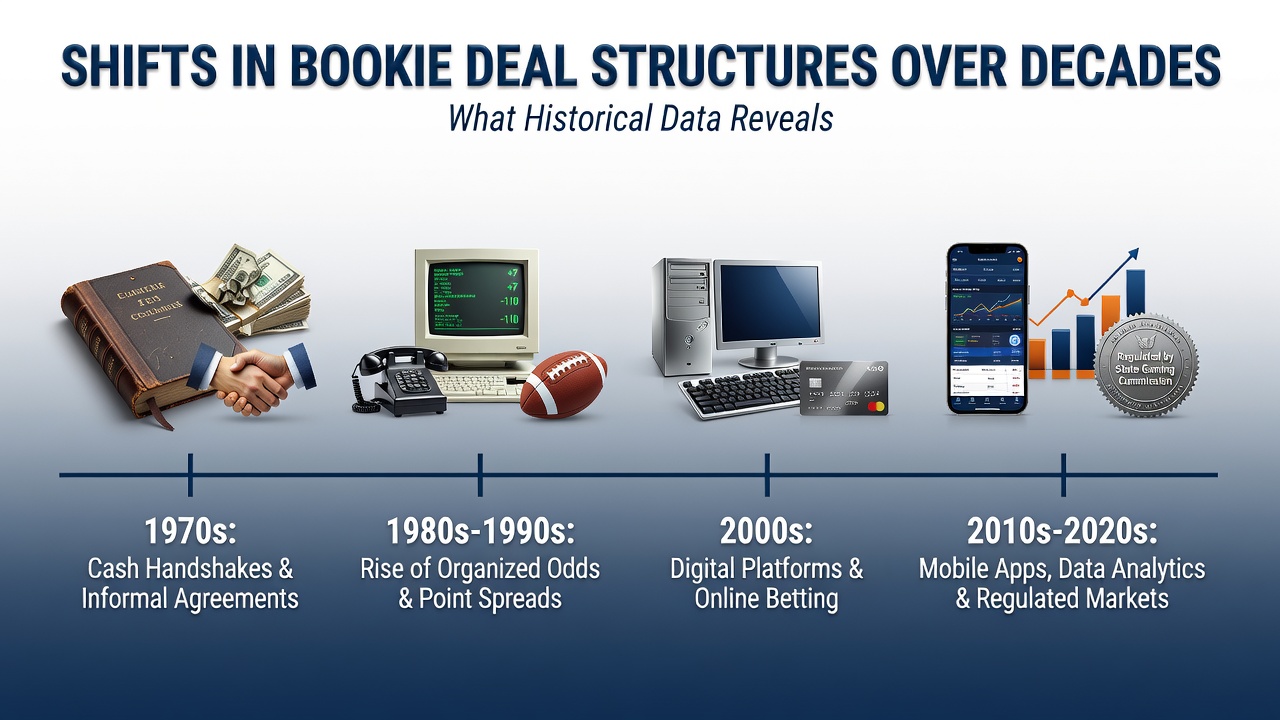
Historical records spanning the past seventy years show steady evolution in how bookmakers structure their core deals, from fixed margins on horse racing wagers in the 1950s to dynamic algorithms that adjust odds in real time today, and data compiled through August 2026 confirms these patterns accelerated after the widespread adoption of digital platforms. Researchers examining archives from major betting markets note that commission rates on major events dropped from an average of 15 percent in the mid-20th century to under 5 percent in many regulated jurisdictions by the early 2020s, a shift driven by competition and regulatory adjustments rather than any single policy change. Those who study industry records point out that early structures relied heavily on volume-based payouts to agents while modern frameworks incorporate loyalty tiers and risk-sharing agreements between operators and large clients.
Pre-1980 Foundations and Fixed Margin Models
Betting ledgers from the 1950s through the 1970s reveal that most bookmakers operated under rigid percentage deductions on total stakes, a model that remained largely unchanged until telecommunications improvements allowed faster line adjustments across regions. Figures from state-level gaming reports indicate that fixed-odds offerings on team sports carried built-in margins between 10 and 20 percent, with little variation week to week because manual calculation limited responsiveness to new information. Observers note that agent networks received tiered bonuses tied directly to handle volume, creating incentives that favored high-turnover locations over individual bettor retention strategies still common today.
Transition Years and the Introduction of Rebates
Records from the 1980s and 1990s document the first widespread use of rebate programs, where select high-volume clients received partial returns on losses, a practice that began in Asian racing circuits and later migrated to European and North American markets. Data from regulatory filings shows these rebates typically ranged between 3 and 8 percent of turnover, effectively lowering the house edge for preferred accounts while maintaining full margins on casual play. Industry analysts tracking these developments highlight that the structure allowed operators to compete for professional bettors without publicly altering posted odds, a separation that persisted until online transparency made such distinctions harder to sustain.
By the turn of the millennium, historical datasets reveal a clear pivot toward segmented pricing where recreational and sharp bettors encountered different effective rates through account-level adjustments rather than uniform board changes. Studies published in gaming economics journals confirm that this segmentation coincided with the rollout of early online platforms, which collected granular data on individual wagering patterns and enabled operators to fine-tune offers at scale.
Digital Expansion and Algorithmic Adjustments
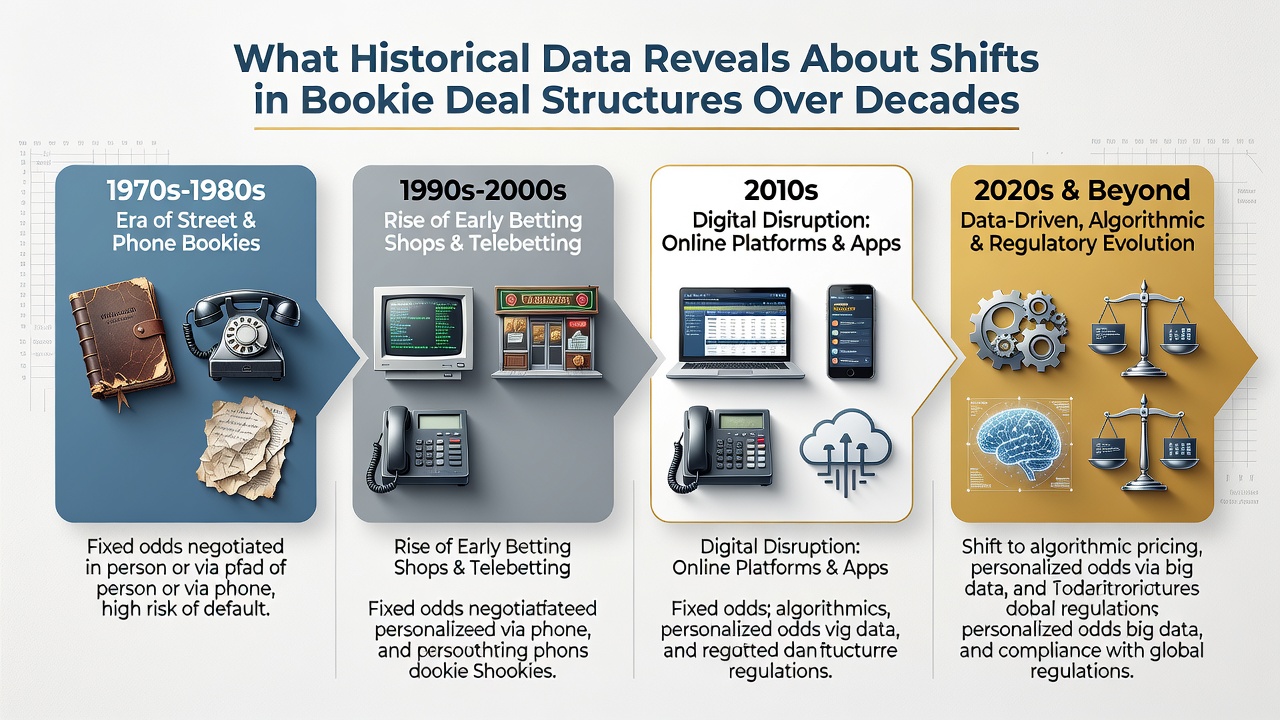
Transaction logs from the 2000s onward demonstrate how algorithmic pricing replaced static margins, with operators in multiple jurisdictions adopting models that recalculate odds continuously based on incoming liability rather than preset percentages. Reports issued by the Nevada Gaming Control Board document a measurable compression in average hold percentages for sports books during this period, falling from roughly 4.5 percent in 2005 to below 3 percent in several categories by 2015. Those reviewing the same records observe that the introduction of exchange-style betting platforms further pressured traditional bookmakers to offer better terms or risk losing volume to peer-to-peer alternatives.
Regulatory changes in Australia and parts of Canada during the 2010s introduced additional variables, requiring operators to publish clearer fee structures and limiting certain bonus mechanisms that had previously masked true margins. Data compiled by independent research centers shows these rules correlated with a rise in cash-out features and partial-hedge options, effectively transferring some pricing control to bettors while operators adjusted base commissions to maintain profitability.
Current Patterns Emerging in 2026
Figures released in August 2026 by various oversight bodies indicate continued movement toward hybrid models that blend fixed commissions with performance-based incentives for operators who maintain low dispute rates and high payout speeds. Industry association reports from the Responsible Gambling Council highlight that loyalty structures now frequently tie bonus eligibility to verified play duration rather than raw stake totals, a refinement that emerged after earlier volume-driven schemes drew scrutiny. Observers tracking these developments note that cross-border operators increasingly rely on localized pricing engines that factor in regional tax rates and currency fluctuations when setting effective margins for each market.
Conclusion
Comprehensive examination of available historical datasets illustrates a consistent trajectory toward greater customization and lower headline margins across bookmaker deal structures, with the most pronounced changes occurring after digital infrastructure enabled real-time adjustments. Patterns observed through August 2026 suggest that future iterations will likely incorporate additional layers of personalization while remaining subject to ongoing regulatory and competitive pressures that have shaped the sector for decades.