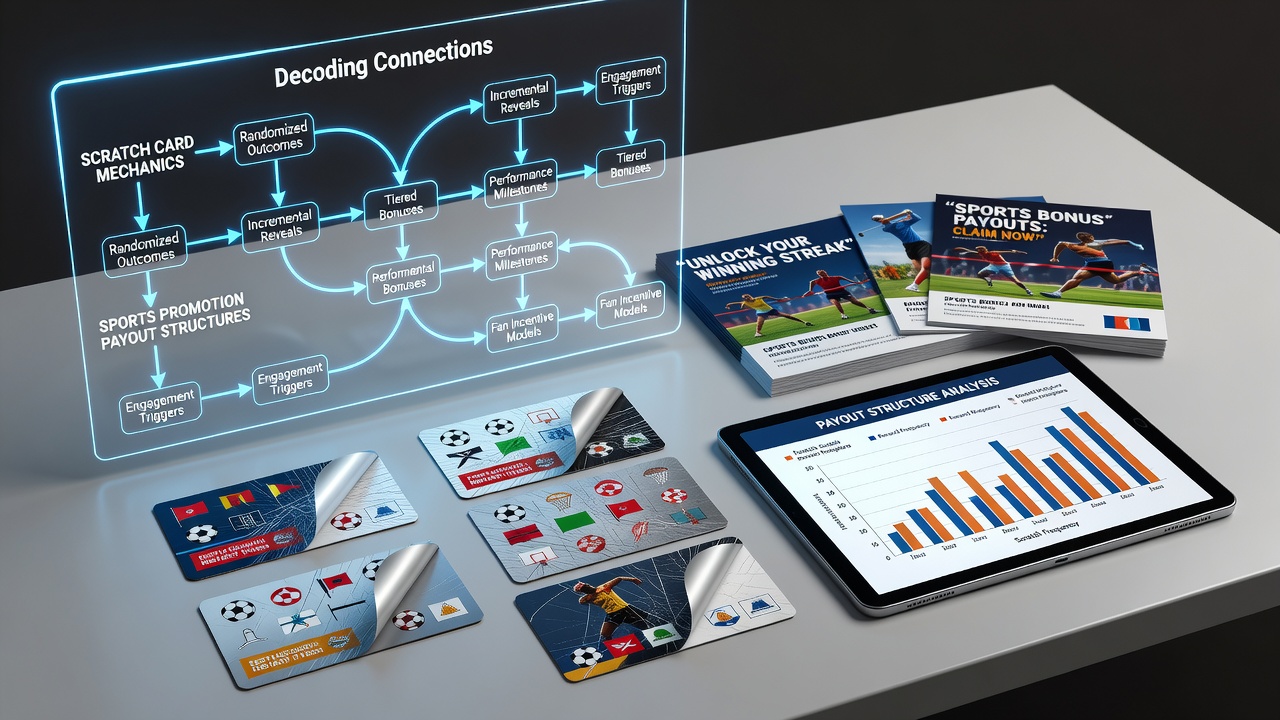
Deciphering Shared Elements Between Scratch-Off Ticket Designs and Athletic Betting Bonus Systems
Scratch card mechanics rely on predetermined prize pools distributed through layered ticket designs where players reveal symbols or numbers to determine outcomes, and these same layered approaches appear in sports promotion payout structures that allocate bonuses based on event results and betting volumes. Data from industry reports show that both systems use tiered reward levels to maintain engagement while controlling overall expenditure, with scratch cards typically featuring instant win probabilities around 1 in 3 to 1 in 5 depending on the game variant.
Core Mechanics of Scratch Card Prize Distribution
Manufacturers program scratch cards with fixed odds embedded in the printing process, which means each ticket carries a known chance of matching specific symbols that unlock cash prizes or multipliers, and this programmed randomness extends to sports promotions where operators set bonus triggers tied to match outcomes or accumulator bets. Observers note that payout ratios in scratch cards often range from 60 to 75 percent according to figures from the Nevada Gaming Control Board, while sports promotions mirror this by capping total bonus distributions to similar percentages of total stakes collected during major tournaments.
Take one operator who structured a football season promotion around tiered payouts where small wins unlocked free bets and larger accumulations released cash bonuses, and this setup parallels how scratch cards reveal lower value prizes early to encourage continued play before higher rewards surface. Researchers at academic institutions have documented that both formats employ seed money allocations to guarantee minimum prize returns, which prevents excessive variance and keeps participation steady across sessions.
Structural Parallels in Sports Promotion Payout Frameworks
Sports promotion payouts frequently divide rewards into instant components such as deposit matches or free bets alongside deferred elements like loyalty points that convert after multiple events, and these divisions echo scratch card designs that separate immediate reveals from progressive jackpots built across batches of tickets. Evidence from the Australian Communications and Media Authority indicates that sports betting operators in regulated markets allocate roughly 20 to 30 percent of promotional budgets to instant reward types, which matches the proportion of low to mid tier prizes in many scratch card series.
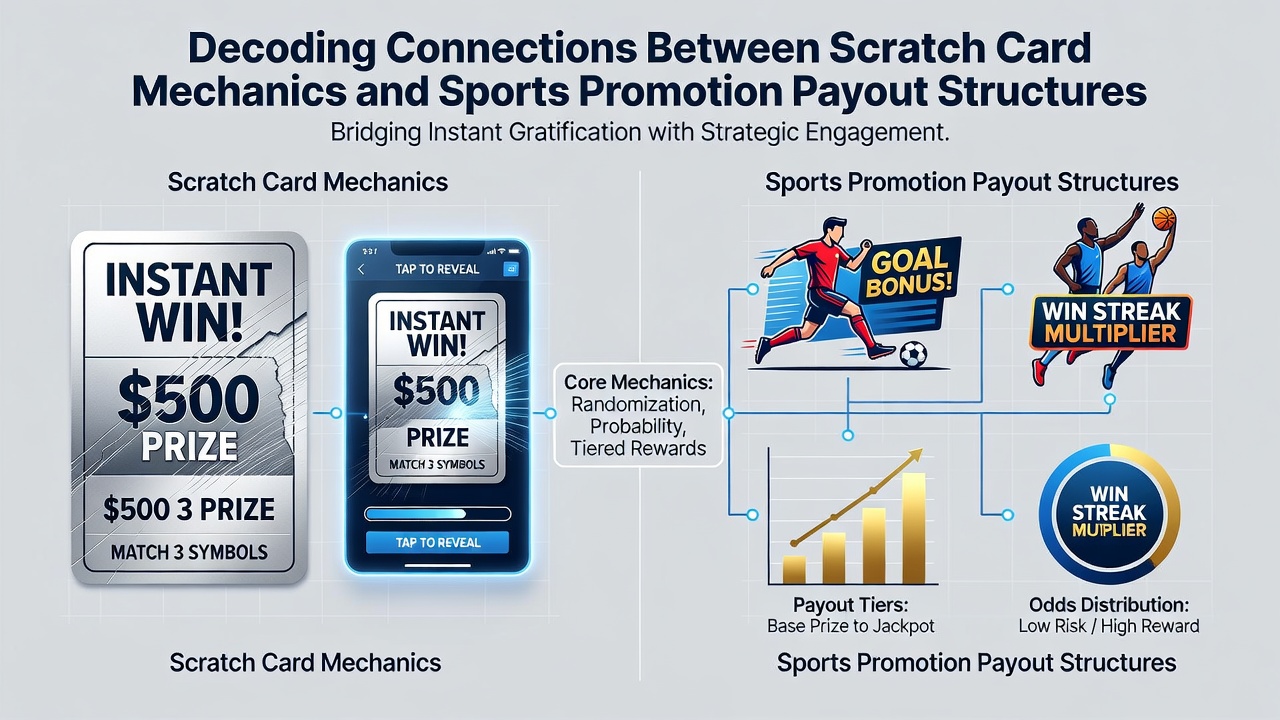
What's interesting is how both systems adjust payout structures seasonally, with sports operators ramping up bonus multipliers during high profile events in August 2026 and scratch card producers releasing limited edition tickets timed to coincide with those same calendars. Industry organizations like the European Gaming and Betting Association track these alignments through aggregate data that reveals synchronized spikes in player activity when promotions overlap with new game launches.
Probability Models and Risk Management Techniques
Probability calculations underpin both formats because scratch card designers calculate exact hit rates for each prize tier using combinatorial mathematics, while sports promotion teams apply similar statistical models to forecast bonus redemption rates based on historical betting patterns. One study from a Canadian research center found that operators who align these models reduce variance in net payouts by up to 15 percent, which allows for more predictable budgeting across quarters.
People who examine the connections often discover that hidden layers in scratch cards function like conditional triggers in sports bonuses, where additional requirements such as minimum odds or event participation must be met before full value releases. This shared approach maintains house edges while delivering perceived value to participants through visible early wins that sustain interest.
Examples from Regulated Markets
In one documented case a European operator integrated scratch card style instant reveals into its sports app interface for a cricket series promotion, and the result showed increased session times because players received immediate feedback on partial wins before the main event concluded. Regulatory filings from the New Jersey Division of Gaming Enforcement confirm that such hybrid structures maintain compliance when prize pools stay within audited limits, and similar patterns appear in Asian markets where mobile scratch promotions tie directly to live sports streams.
Those who've studied this space note that August 2026 schedules already include several overlapping campaigns where scratch card batches promote upcoming football leagues through embedded bonus codes that convert into sports account credits upon registration. This integration reduces acquisition costs for operators while providing players with familiar mechanics across product types.
Conclusion
The connections between scratch card mechanics and sports promotion payout structures rest on shared principles of tiered rewards, controlled probabilities, and timed releases that balance player retention against expenditure limits. Data from multiple regulatory bodies and research groups demonstrate consistent application of these elements across regions, which creates operational efficiencies for providers and familiar experiences for participants. As markets evolve through 2026 and beyond, these structural alignments continue to shape how both instant win games and event based bonuses distribute value.