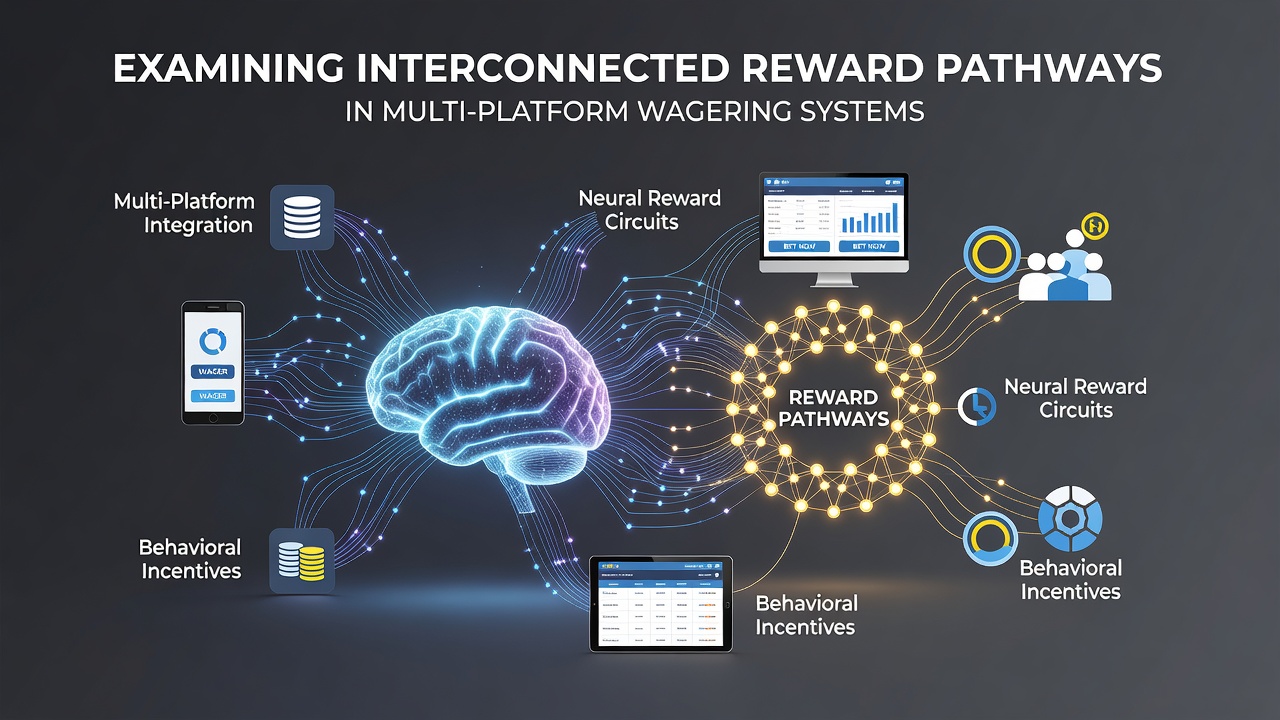
Examining Interconnected Reward Pathways in Multi-Platform Wagering Systems
Multi-platform wagering systems have evolved to link reward structures across websites, mobile applications, and desktop interfaces, creating pathways that track user activity and distribute incentives based on combined engagement. Research from the Australian Institute of Criminology indicates that these connections allow operators to consolidate data from various channels while maintaining separate login credentials and balance transfers.
Operators design these pathways to synchronize bonus eligibility, loyalty points, and promotional credits so activity on one platform influences availability on others. Data from the National Institute on Drug Abuse shows how variable reward timing in such systems aligns with established patterns in behavioral reinforcement, though the focus here remains on technical integration rather than outcomes.
Platform Integration Mechanisms
Modern wagering environments rely on centralized databases that update in real time when users switch between devices. A bet placed through a mobile app registers immediately on the desktop version, unlocking tiered rewards that would otherwise require separate tracking. The European Gaming and Betting Association has documented how API connections between platforms enable this flow while complying with regional licensing requirements.
Single sign-on protocols reduce friction yet preserve distinct wallet structures for each market segment. Users who complete verification on one interface often receive accelerated access to features on linked platforms, with progress bars and status indicators shared across environments. Observers note that this setup streamlines operations for providers handling millions of daily transactions.
Data Synchronization and User Tracking
Interconnected systems collect metrics such as session duration, wager frequency, and game category preferences, then merge them into unified profiles. Algorithms adjust reward offers based on aggregate behavior rather than isolated actions on a single app. Figures from Statistics Canada reveal increased adoption of cross-device tracking tools among licensed operators between 2023 and 2025, with further expansions projected through June 2026.
Encryption standards protect the transfer of personal and financial data between platforms, while audit trails allow regulators to verify compliance. Those who manage these networks emphasize redundancy measures that prevent reward discrepancies during peak traffic periods or scheduled maintenance windows.
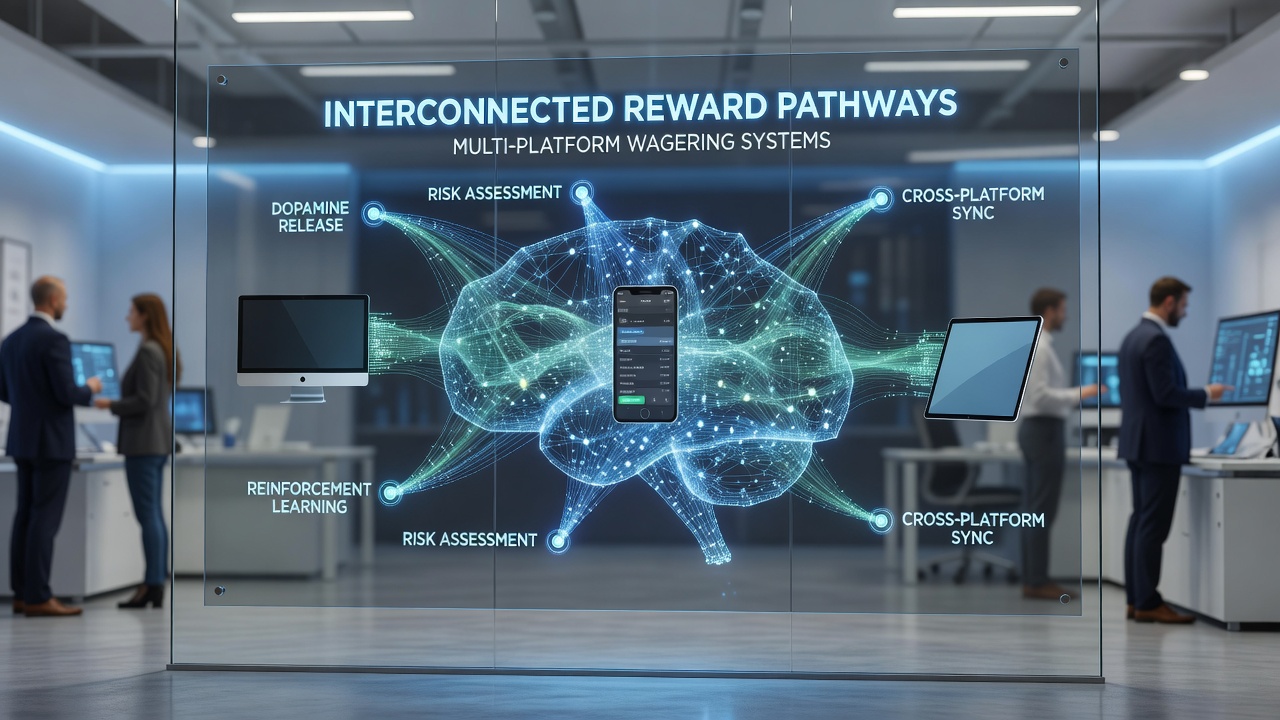
Regulatory Considerations Across Jurisdictions
Licensing bodies in different regions impose varying rules on how rewards may transfer between platforms. The New Jersey Division of Gaming Enforcement requires clear disclosure of any cross-platform mechanics, ensuring users understand where balances originate and how they convert. Similar frameworks in other markets address data residency and responsible gaming tool accessibility across all connected interfaces.
Industry reports highlight ongoing efforts to standardize reporting formats so authorities can monitor aggregate reward distribution without accessing proprietary algorithms. Operators adjust pathway configurations to meet these obligations while preserving functionality for users who move between devices throughout the day.
Technical Infrastructure Supporting Rewards
Cloud-based servers host the core logic that calculates eligibility for interconnected promotions, drawing from activity logs stored across geographic regions. Load balancing distributes queries so that a user checking loyalty status on a tablet receives the same updated figures shown in the mobile app moments earlier. Providers invest in failover systems that maintain continuity when individual nodes experience outages.
Developers test these integrations extensively before deployment, simulating simultaneous logins from multiple platforms to verify reward accuracy. Updates scheduled for June 2026 aim to incorporate enhanced machine learning models that refine offer personalization based on historical cross-platform patterns.
Conclusion
Interconnected reward pathways in multi-platform wagering systems represent a convergence of database architecture, regulatory compliance, and user interface design. Evidence from multiple oversight agencies demonstrates continued refinement of these networks as operators expand device compatibility and data integration capabilities. The structure supports seamless transitions between environments while maintaining distinct operational controls for each platform segment.