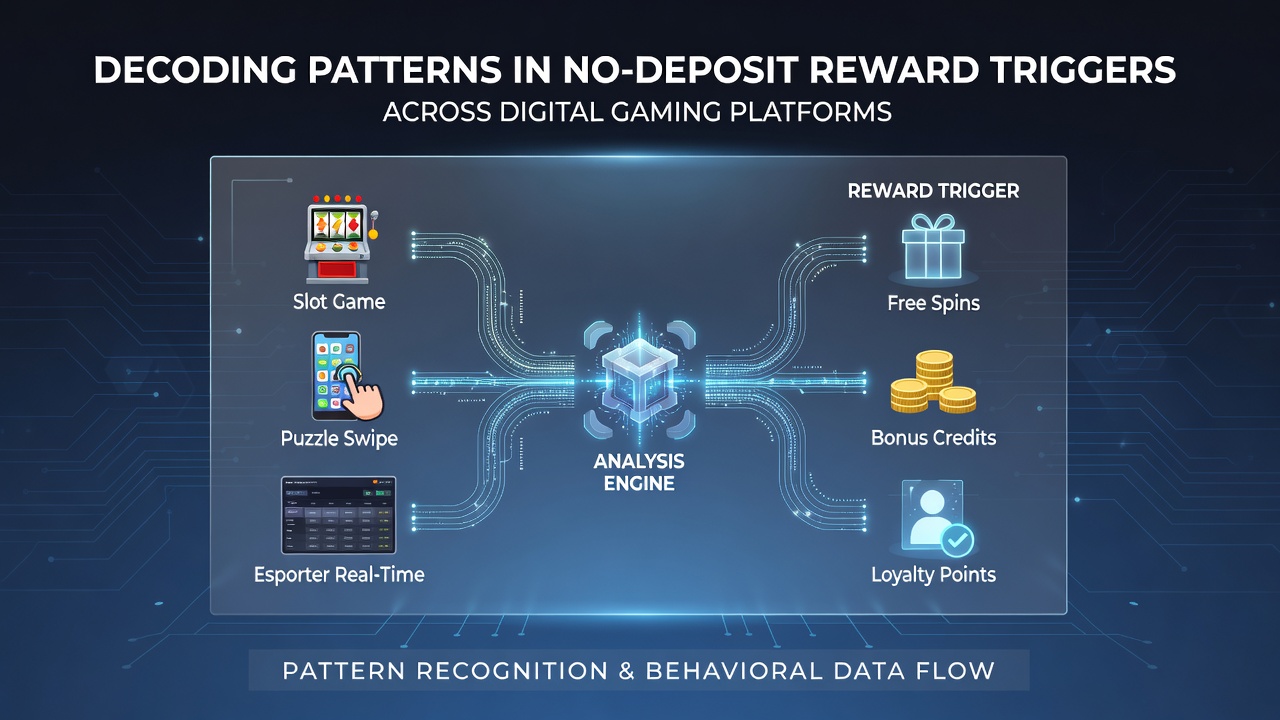
Examining Trigger Systems for No-Deposit Rewards in Virtual Gaming Platforms
Digital gaming platforms have developed intricate systems to deliver no-deposit rewards and these mechanisms rely on data-driven triggers that respond to user behavior, account activity, and platform algorithms. Observers note that such rewards activate through predefined conditions including login streaks, game completion rates, and interaction frequency without requiring initial financial commitments from participants.
Research from industry reports indicates that platforms employ machine learning models to identify eligible users based on historical engagement metrics. These models process variables such as session duration, preferred game types, and geographic location to determine when a no-deposit bonus should appear in a user's account dashboard. Data collected across multiple platforms shows activation rates peak during promotional periods aligned with global events and seasonal shifts.
Core Components of Reward Activation Logic
Trigger systems typically incorporate several layers of logic that evaluate real-time inputs. Account age serves as one foundational element where newer registrations often receive priority in randomized reward distributions. Behavioral analytics track click patterns and navigation sequences to flag users who demonstrate sustained interest in specific titles.
Platform operators integrate randomization protocols to prevent predictable reward schedules. These protocols draw from probability tables updated periodically, and figures reveal adjustments occur as frequently as monthly to maintain engagement levels. External factors including server load and concurrent user numbers can influence whether a trigger executes immediately or queues for later delivery.
Regional Variations in Implementation
Platforms operating under different regulatory frameworks exhibit distinct trigger methodologies. In regions overseen by bodies such as the iGaming Ontario, reward triggers must comply with transparency requirements that mandate clear disclosure of eligibility criteria. Meanwhile jurisdictions aligned with the Nevada Gaming Control Board emphasize audit trails for all automated reward distributions.
European operators frequently reference guidelines from the Malta Gaming Authority when configuring their systems. These configurations prioritize player protection filters that pause triggers if spending patterns suggest risk indicators. Academic studies published by institutions including the University of Nevada Reno have documented how such regional adaptations affect overall reward redemption statistics.
Data Patterns Observed in 2026
Analysis of platform logs from early 2026 through June of that year demonstrates consistent spikes in no-deposit reward triggers during mid-week periods. Tuesday and Wednesday activations outpace weekend figures by measurable margins according to aggregated telemetry. Mobile users encounter higher trigger frequencies compared to desktop sessions, a pattern attributed to shorter but more frequent interaction windows.
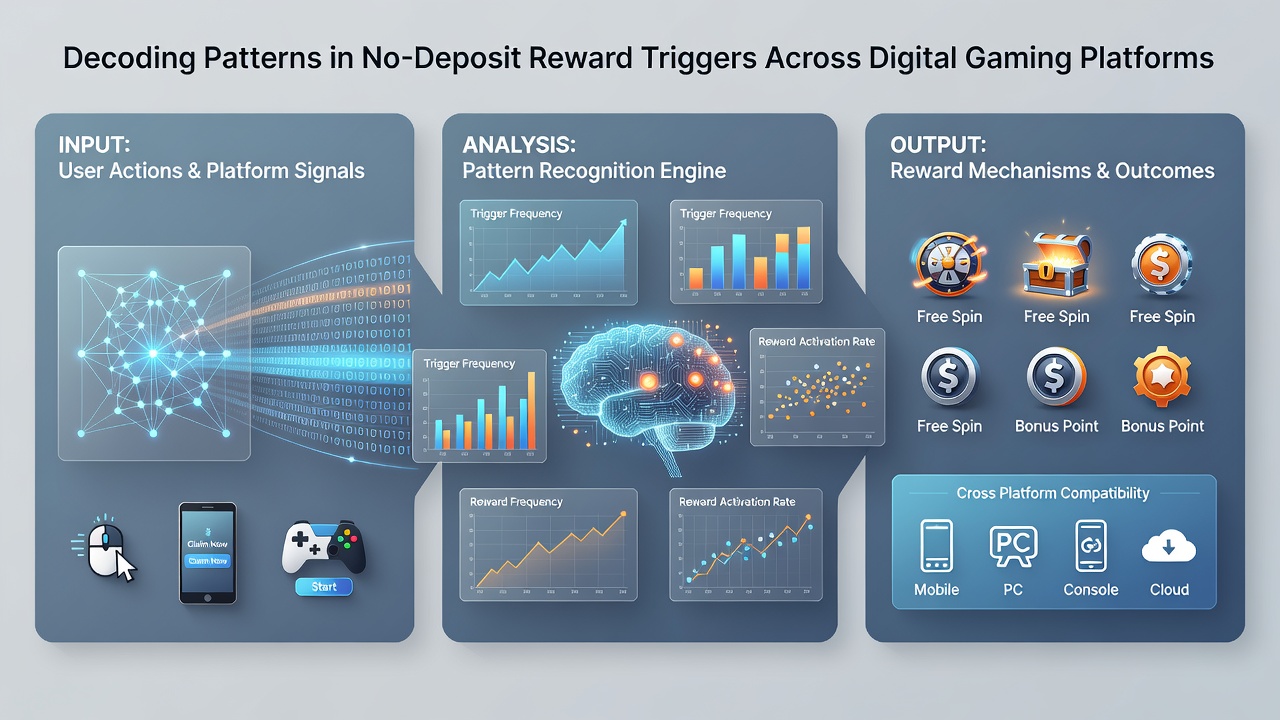
Game category influences activation probability significantly. Slots and casual puzzle titles generate more frequent rewards than strategy or multiplayer formats. Researchers have observed that platforms adjust these weightings dynamically based on inventory availability and promotional calendars. One documented case involved a major operator recalibrating triggers after internal metrics showed underutilization of certain virtual table games.
Technical Infrastructure Supporting Triggers
Backend architectures rely on event-driven microservices that listen for qualifying actions. When conditions align, the system pushes notifications through multiple channels including in-app alerts and email summaries. Redundancy measures ensure triggers remain operational during high-traffic intervals, and load balancing distributes computations across server clusters located in varied geographic zones.
Security protocols encrypt trigger parameters to prevent external manipulation. Regular penetration testing conducted by third-party firms verifies that eligibility checks cannot be bypassed through unauthorized means. Platforms maintain detailed audit logs that regulators can access during compliance reviews.
Future Developments in Trigger Design
Emerging technologies such as enhanced predictive analytics promise more precise reward targeting. Developers continue refining algorithms to incorporate biometric feedback where permitted by local laws. Integration with cross-platform ecosystems allows triggers to follow users across multiple devices while preserving consistent reward eligibility.
Conclusion
Patterns in no-deposit reward triggers reflect ongoing evolution in digital gaming infrastructure. Regulatory oversight combined with technological advances shapes how these systems operate across diverse markets. Continued monitoring of activation data provides insight into user engagement dynamics and platform strategy adjustments.