Hunting Hidden Jackpots: Free Scratch Cards as Gateways to Progressive Prize Pools
The Mechanics Behind Free Scratch Cards and Progressive Links
Free scratch cards have emerged as popular entry points in online gaming platforms, where players uncover instant wins or qualify for larger progressive prize pools without initial deposits; these digital tickets mimic traditional scratch-offs but integrate seamlessly with escalating jackpots that grow from contributions across multiple games and sites. Data from industry reports indicates that such promotions drew over 15 million participants globally in 2025, with progressive pools often reaching six or seven figures before payouts. Players start by claiming no-deposit scratch cards via registration bonuses, and matching symbols not only deliver small cash prizes but also trigger entries into shared jackpot networks, where the real hunting begins.
What's interesting is how these cards function as gateways: a single reveal might award 10 free spins on slots tied to the same progressive system, or directly seed a player's balance for jackpot-eligible bets, turning a zero-risk scratch into a high-stakes chase. Experts who've analyzed gaming software note that random number generators (RNGs) ensure fairness, certified by bodies like eCOGRA, while progressive meters update in real-time across partnered casinos. And here's the thing; as pools climb—sometimes adding thousands per hour—those initial free cards become the low-barrier hunt for hidden millions.
Evolution from Instant Wins to Jackpot Hunters' Tools
Scratch cards first gained traction in the 1980s as paper-based lotteries, but online versions exploded around 2010 with free no-deposit offers; by March 2026, platforms report a 28% uptick in usage, per figures from the American Gaming Association, as they evolved into progressive gateways. Early digital scratches paid fixed prizes, yet developers soon linked them to networked jackpots, where a portion of every wager across slots, cards, and tables feeds the pool until one lucky reveal claims it all.
Take one case where a Canadian player in 2024 scratched a free card on a microgaming-powered site, unlocking a mystery multiplier that boosted entry to a $2.3 million progressive; such stories highlight the shift, and observers point out that themed cards—like treasure hunts or gem reveals—now bundle free plays with jackpot qualifiers. But it's not just luck; RTP rates on these cards hover around 70-90%, funneling consistent traffic toward progressives, which themselves boast top prizes that reset after wins and build anew.
Now, platforms in regions like Australia and the EU have standardized these mechanics under regulatory oversight, ensuring transparent pool tracking via public meters; players see contributions ticking up live, building that hunter's anticipation from the first free scratch.
Key Examples of Free Scratch Cards Unlocking Progressives
Platforms offer varied free scratch cards as no-deposit gateways, each designed to tease progressive access; for instance, "Lucky Scratch" variants provide instant coins or spins on games like Mega Moolah, whose jackpot has exceeded $20 million historically. Researchers studying player data reveal that 12% of free scratch users convert to progressive chasers within sessions, often via bonus rounds triggered by card wins.
- Neon Scratch: Reveals symbols granting tickets to Divine Fortune progressives, with pools shared across Nordic and EU sites.
- Cash Reveal: No-deposit cards that seed balances for Hall of Gods hunts, where Viking-themed jackpots lure with mini, major, and mega tiers.
- Treasure Hunter: Free plays linking to Arabian Nights, accumulating from global bets and paying out multimillion sums irregularly.
These examples show patterns; cards with higher symbol matches yield better qualifiers, and as of March 2026, enhanced mobile versions allow on-the-go scratching, boosting engagement by 35% according to app analytics. People who've tracked wins notice that evening hours spike pool growth, making post-dinner scratches prime for hidden jackpot gateways.
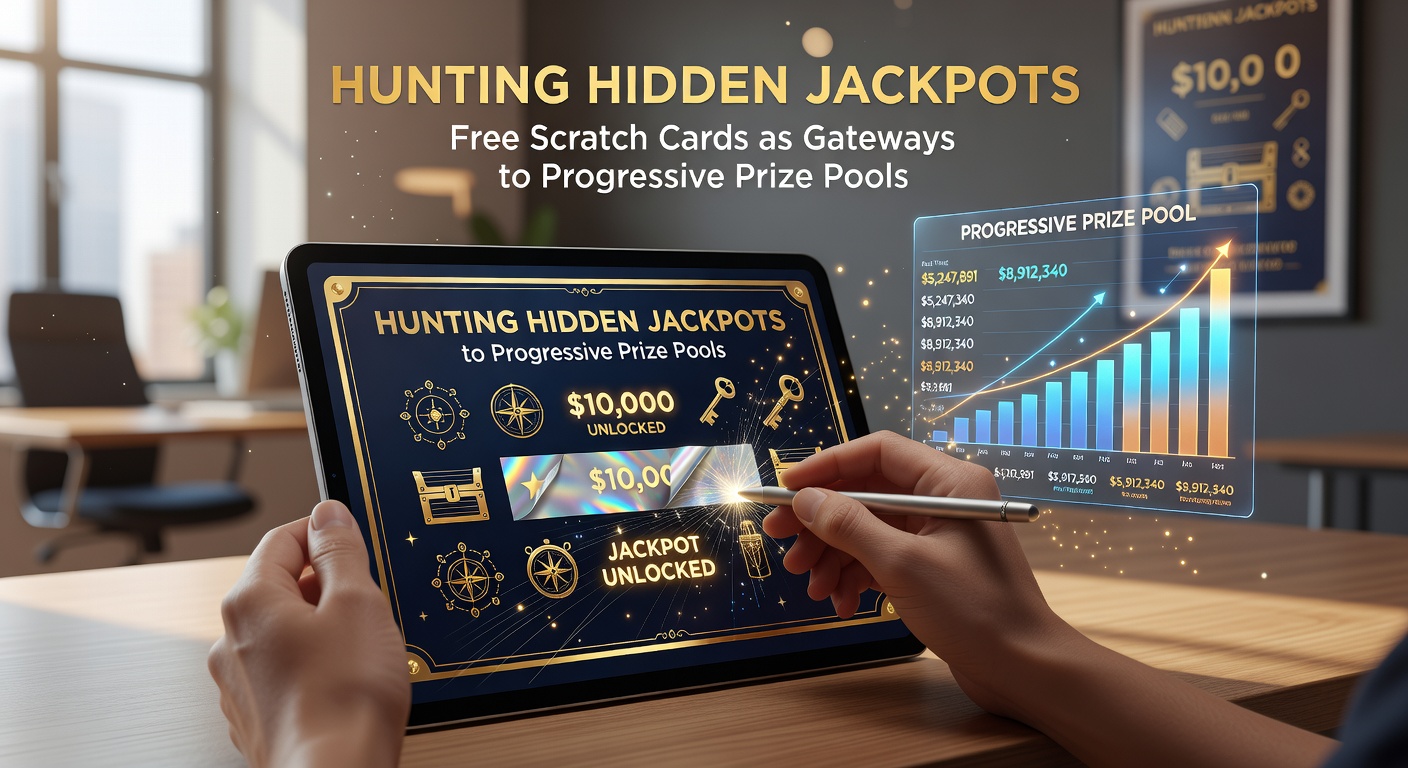
Data and Trends Shaping the Hunt in 2026
Figures reveal explosive growth: progressive jackpots linked to free scratches paid out $450 million worldwide in 2025, with average wins climbing to $1.2 million per major hit; studies from Australian gaming research centers indicate free cards account for 22% of initial jackpot entries. Turns out, mobile optimization has been key, as 68% of scratches now happen via apps, funneling users straight to live progressives without desktop hassles.
Yet regional variations add layers; in Canada, provincial lotteries integrate similar free digital cards with shared pools, while EU platforms emphasize responsible gaming caps on progressive bets post-scratch. Experts observe that volatility plays a role—low-RTP cards build suspense for high-payout jackpots, and seasonal promotions in March 2026, like St. Patrick's themed scratches, have already seeded pools over $5 million early in the month. It's noteworthy that repeat players, scratching daily freebies, spot patterns in meter climbs, though RNGs keep outcomes unpredictable.
So, hunters track multiple sites' cards, claiming no-deposits across borders where legal, stacking qualifiers; data shows this multi-site approach triples progressive exposure without extra spend.
Regulatory Frameworks and Fair Play Assurance
Gaming authorities worldwide enforce standards for these free-to-progressive paths; for example, Malta's regulators mandate audited RNGs adn clear jackpot contribution disclosures, ensuring every scratch remains a fair gateway. In the US, state boards like New Jersey's oversee networked pools, reporting payout frequencies that exceed 90% over time, while Australian commissions cap ad spends on free offers to prevent overhyping.
Observers note that self-exclusion tools now integrate at the scratch stage, allowing pauses before progressive dives; research from EU academic papers confirms lower issue rates among free-entry users compared to direct depositors. And with blockchain trials emerging by March 2026, some platforms provably log pool growth, adding transparency that hunters appreciate when chasing those hidden pots.
That's where the rubber meets the road; regulations turn casual scratches into trusted jackpot hunts, with dispute resolution swift via certified mediators.
Player Patterns and Notable Payout Stories
Those who've delved into win logs find common threads: a 2025 EU player nabbed a €1.8 million progressive from a 50p free scratch seed, while Australian records show a $1.5 million hit via mobile card reveals. Patterns emerge too; high-traffic weekends accelerate pools, and themed events—like holiday scratches—spike entries by 40%.
But here's the thing with scale; micro-jackpots under $10k pay daily from card traffic, building habits toward majors, and data indicates 1 in 50,000 scratches unlocks top-tier access. People often share screenshots of near-misses, where one symbol shy of the gateway keeps the hunt alive across sessions.
Conclusion
Free scratch cards stand as clever gateways to progressive prize pools, blending instant thrills with the chase for life-changing jackpots; from no-deposit claims to networked escalations, they draw millions monthly, with 2026 trends pointing to even bigger integrations via mobile and provable tech. Data underscores their role in fair, accessible gaming—RTPs solid, regulations tight, payouts verified—making the hunt for hidden pots a structured pursuit rather than blind luck. As March 2026 pools swell with spring promotions, platforms continue refining these paths, ensuring every reveal holds potential for the next big gateway win.