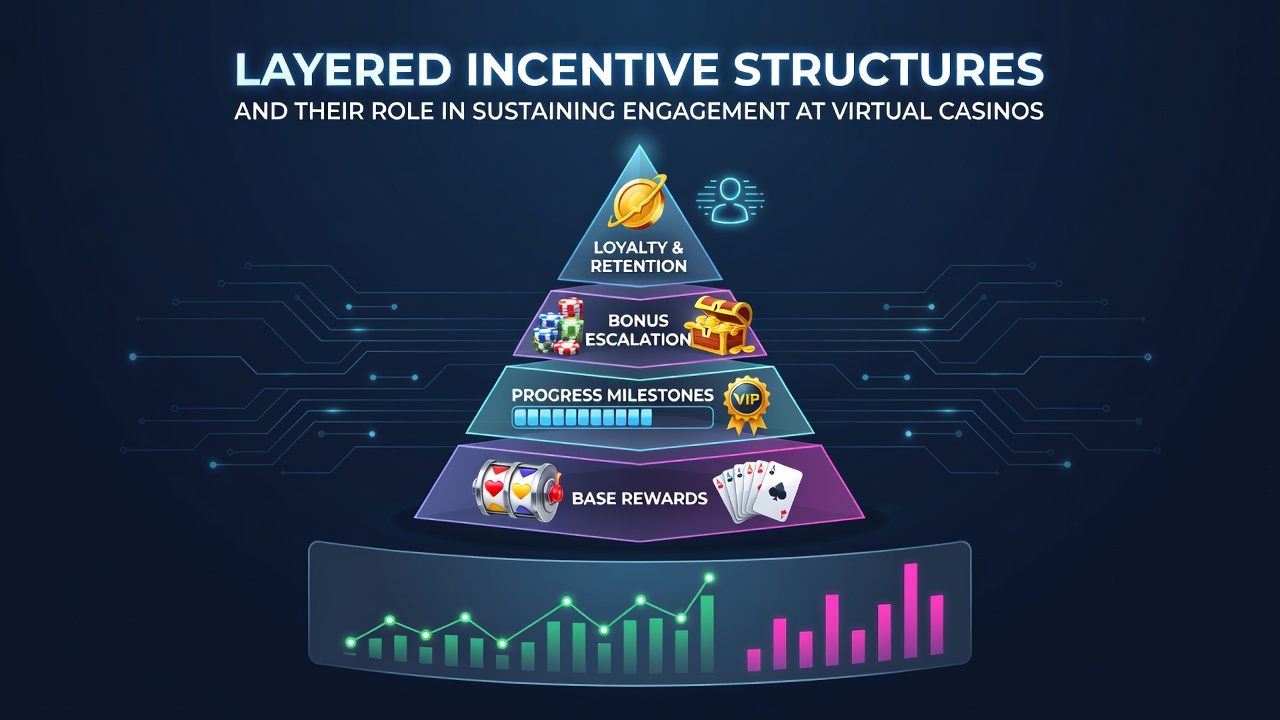
Layered Reward Systems Driving Long-Term Participation in Digital Casino Platforms
Layered incentive structures consist of multiple reward tiers that escalate based on player activity, and virtual casinos deploy these systems to maintain consistent participation over extended periods. These frameworks typically include entry-level benefits that progress into premium perks such as increased cashback rates, exclusive game access, and tailored promotions as users accumulate points or meet spending thresholds. Data from industry reports shows that operators introduced these models widely after 2020, with adoption rates climbing steadily through subsequent years.
Core Components of Tiered Incentive Models
Operators structure these programs around progressive levels where each stage unlocks additional advantages, and points systems track player behavior across deposits, wagers, and session duration. Bronze or starter tiers often provide basic daily login rewards while higher silver and gold categories deliver weekly bonuses plus faster withdrawal processing. Platinum and diamond levels add elements like dedicated account managers along with invitations to special events, and these escalations encourage sustained activity because the value compounds with continued engagement.
Research indicates that personalization forms another key layer since algorithms analyze individual patterns to deliver targeted offers that align with specific game preferences. One study from the University of Nevada's gaming research division found that customized incentives increased repeat logins by measurable margins compared to generic promotions. Virtual casinos integrate these elements with time-limited challenges that reset periodically, creating recurring opportunities for players to advance through tiers without long gaps in activity.
Engagement Patterns Observed Across Platforms
Figures from the New Jersey Division of Gaming Enforcement reveal that casinos using multi-tier loyalty frameworks reported higher average session lengths during 2025 and into August 2026. Players who reached mid-tier status tended to extend their play windows by combining standard game time with bonus round participation. What's interesting here is how the anticipation of reaching the next level motivates incremental deposits, since many systems award bonus points during promotional windows that accelerate progression.
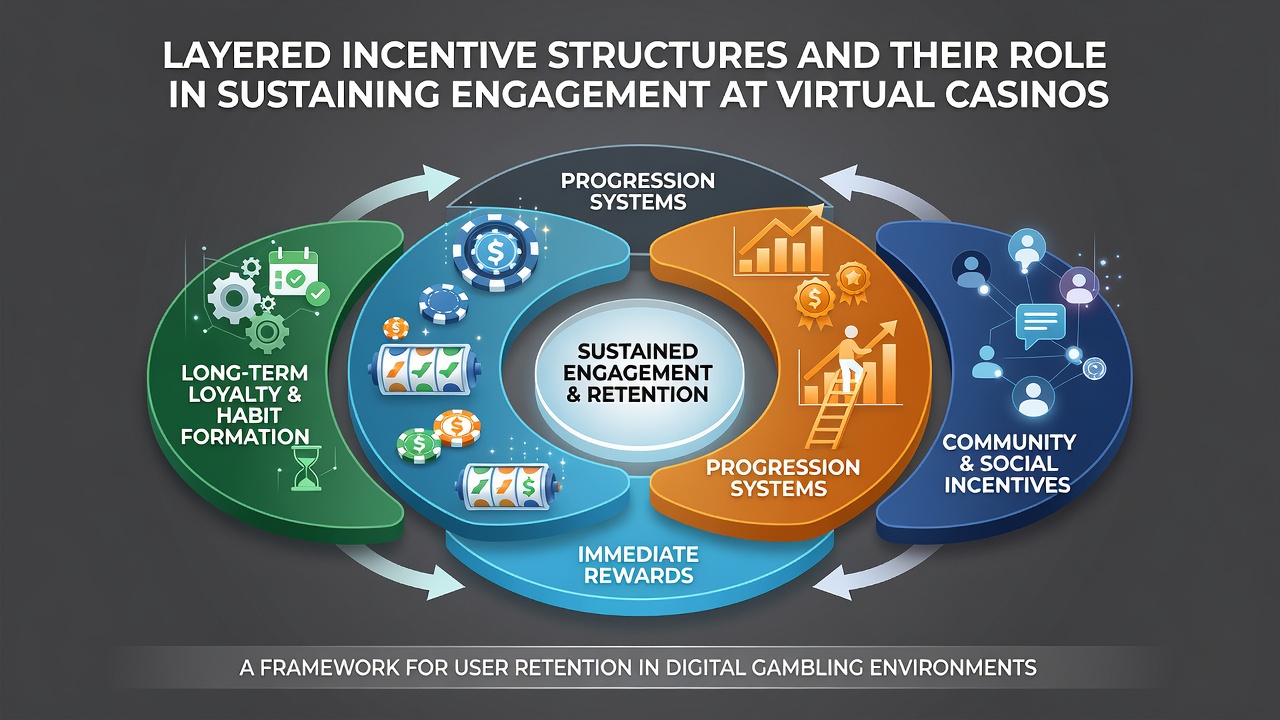
Observers note that seasonal adjustments appear in August 2026 across several major platforms, where operators added summer-specific challenges that aligned with existing tier structures. These updates included double points on certain slot categories during evening hours, and participants who maintained activity throughout the month saw accelerated movement between levels. Such modifications demonstrate how layered systems adapt to external factors while preserving the core progression mechanic that keeps users returning.
Regulatory Context and Industry Data
Government agencies in various regions track the implementation of these structures, and the Malta Gaming Authority published guidelines in early 2026 that addressed transparency requirements for tier advancement criteria. Compliance with these standards means operators must clearly display point earning rates and redemption values, which in turn affects how players perceive the fairness of progression. Industry associations such as the European Gaming and Betting Association have compiled reports showing that well-communicated tier benefits correlate with longer account lifespans across multiple jurisdictions.
Academic sources including papers from the University of Sydney's gambling research unit highlight that players respond differently to layered rewards depending on their initial engagement frequency. Those who begin with moderate activity often accelerate once they cross into the second tier, whereas high-volume participants focus more on maintaining top-level status through consistent volume. This variation explains why operators segment their communications to match each group's typical behavior patterns.
Conclusion
Layered incentive structures continue to shape participation metrics at virtual casinos through their combination of progressive benefits and adaptive personalization features. Evidence from regulatory bodies and academic studies demonstrates measurable connections between tier advancement opportunities and sustained player activity across different markets. As platforms refine these models in response to new guidelines and seasonal trends, the underlying architecture remains centered on creating clear pathways for ongoing involvement.