Loyalty Tiers and Their Influence on Sustained Engagement in Digital Casinos
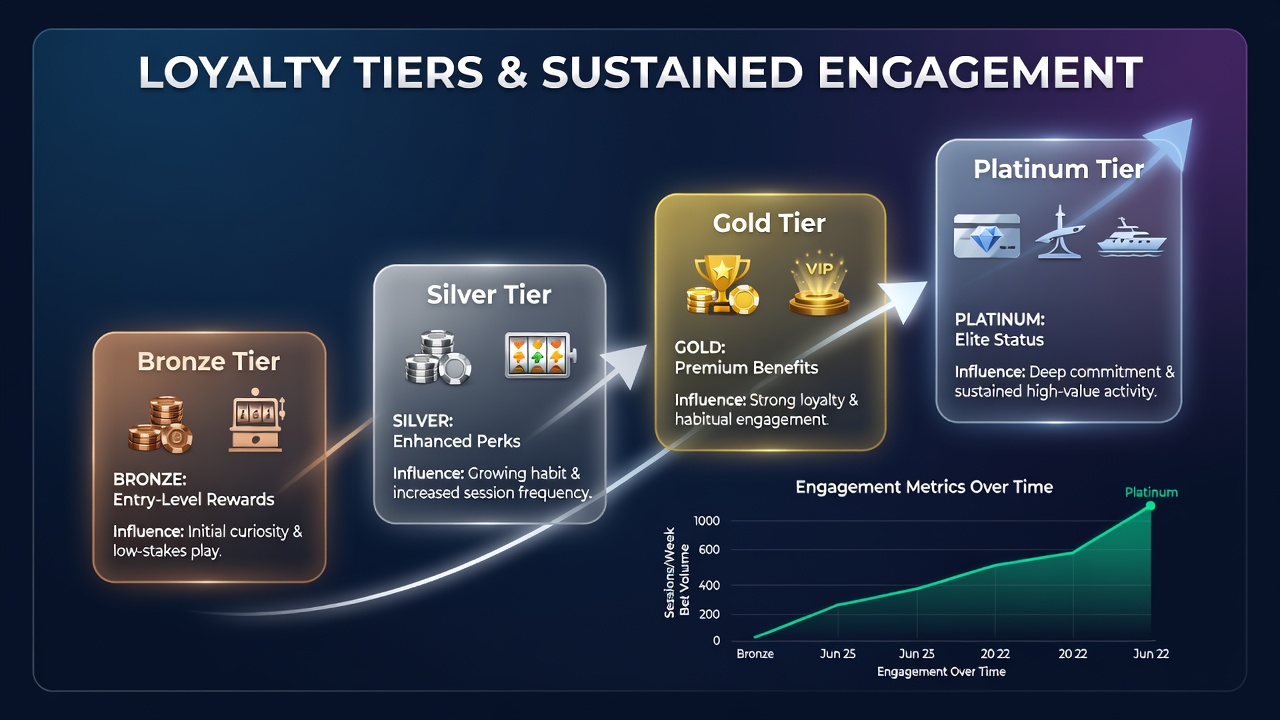
Digital casinos structure loyalty programs around tiered systems that reward players based on activity levels, and these frameworks have become central to how operators maintain participation over extended periods. Research from the Nevada Gaming Control Board indicates that tiered rewards correlate with measurable increases in repeat visits, particularly when players advance through bronze, silver, gold, and platinum levels that unlock escalating benefits such as bonus credits, faster withdrawals, and exclusive game access.
Operators calculate tier progression using metrics like total wagers placed, deposit frequency, and session duration, which creates a feedback loop where continued play accelerates advancement. Data from industry reports shows that players who reach mid-tier status tend to extend their average session lengths by 25 to 40 percent compared with entry-level accounts, because the visible progress toward the next reward threshold encourages additional engagement.
Mechanics Behind Tier Advancement
Each tier requires specific point thresholds earned through real-money bets, and the points often reset on a monthly or quarterly cycle to keep the system dynamic. Casinos integrate these calculations into player dashboards that display current standing alongside the exact requirements for the subsequent level, which turns abstract loyalty into a concrete goal. Observers note that this transparency reduces churn because players can track incremental gains rather than facing opaque reward systems.
Additional perks at higher tiers include personalized account managers, invitations to virtual tournaments, and cashback percentages that scale upward, while lower tiers focus on basic free spins and deposit matches. A 2025 analysis by the Australian Gambling Research Centre found that operators offering clear progression paths retained 18 percent more active accounts over a 12-month span than those with flat reward structures.
Engagement Patterns Across Tiers
Players in entry tiers typically explore a wider variety of games as they test the platform, yet those who climb into upper tiers concentrate activity on familiar titles that maximize point accumulation efficiency. This shift in behavior appears in platform analytics where gold and platinum accounts show higher average bets per spin alongside lower game variety. The pattern holds because the value of time spent increases once exclusive benefits activate, prompting more deliberate play styles.
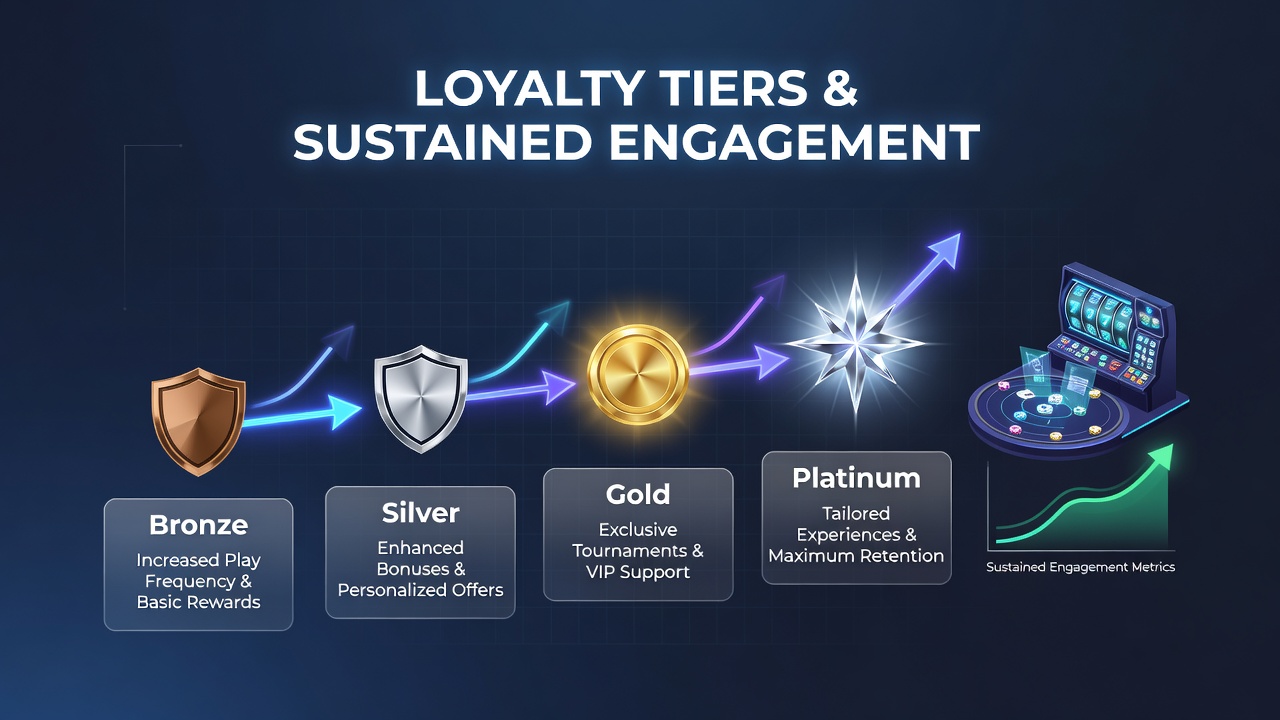
August 2026 brought updated reporting standards from several North American regulators that now require operators to disclose tier retention statistics, and early figures reveal that platinum-level accounts demonstrate the strongest month-over-month consistency. Those who've examined the initial datasets observe that the gap between silver and gold retention rates narrows when operators introduce tier-specific events such as leaderboard competitions or limited-time multipliers.
Regional Variations in Program Design
European platforms often emphasize entertainment value within tiers by bundling rewards with non-gambling perks like streaming subscriptions, whereas North American sites lean toward direct financial incentives such as higher cashback caps. Canadian provincial frameworks, for instance, mandate minimum transparency around point expiration policies, which influences how operators communicate tier benefits to avoid player frustration. These differences reflect local regulatory priorities yet share the common outcome of linking sustained activity to visible status gains.
Industry organizations including the International Association of Gaming Regulators have compiled cross-border comparisons showing that tier systems incorporating social elements, such as friend referral bonuses tied to tier status, produce higher referral rates than purely transactional models. The data underscores that engagement extends beyond individual play when programs allow status to confer group advantages.
Conclusion
Tiered loyalty structures continue to shape participation metrics across digital casino environments by converting routine activity into measurable advancement. Available statistics from regulatory bodies and research centers demonstrate consistent associations between tier progression and extended account lifespan, while regional adaptations highlight how local rules refine the same core mechanism. As reporting requirements expand in 2026 and beyond, operators and analysts alike gain clearer views of which specific rewards most effectively sustain long-term player involvement.