Navigating Hierarchical Reward Tiers in Dynamic Gaming Environments
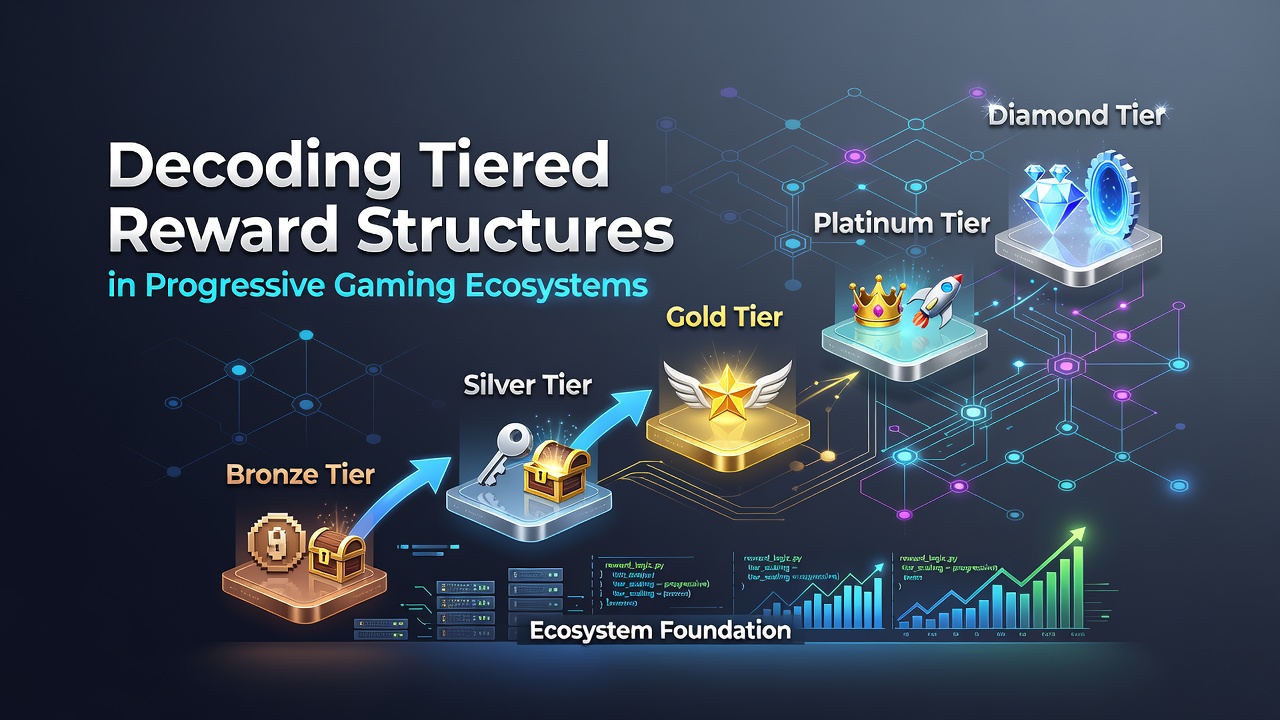
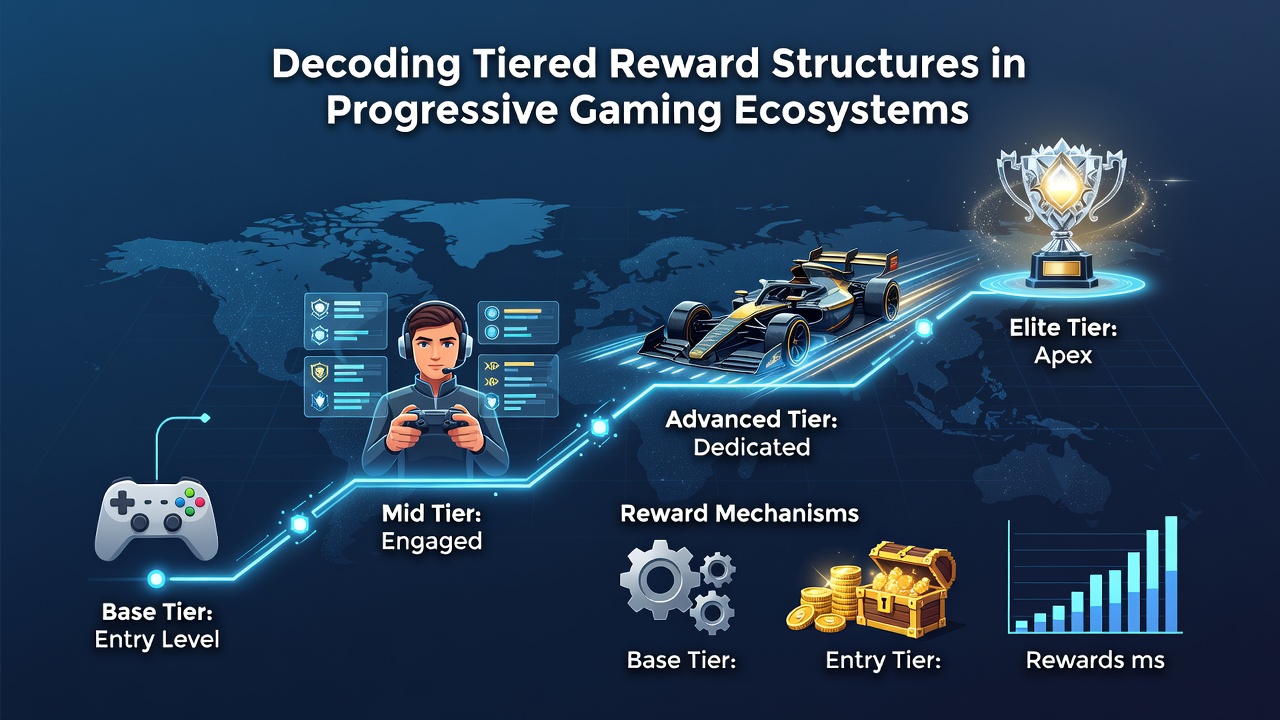
Progressive gaming ecosystems operate through structured reward systems that advance users across multiple levels based on consistent participation metrics, and these frameworks have expanded significantly by June 2026 according to industry tracking data. Participants begin at base tiers where standard engagement yields basic incentives such as access to core features or entry-level perks, while sustained activity unlocks intermediate stages with enhanced benefits including customized content and accelerated progression tools. Advanced tiers then deliver exclusive elements like priority support channels and specialized event invitations, creating a layered pathway that encourages prolonged interaction across digital platforms worldwide.
Core Components of Tier Progression
Tier advancement relies on quantifiable activity thresholds where points accumulate from gameplay duration, in-game purchases, and social interactions within the ecosystem, and developers calibrate these metrics to balance accessibility with exclusivity. Entry-level participants typically require minimal commitments to reach the first upgrade, yet each subsequent stage demands proportionally higher engagement volumes that reflect broader patterns observed in large-scale platform analytics. Research from the University of Nevada Las Vegas Center for Gaming Research indicates that such graduated systems maintain user retention through visible milestones, with data sets from North American operators showing average progression times spanning several months for dedicated accounts.
Points systems integrate multipliers during promotional periods, allowing users to compress timelines toward higher tiers while platform algorithms adjust requirements dynamically based on aggregate user behavior. Those who've studied retention curves note that transparent communication of tier criteria reduces drop-off rates, as participants receive real-time dashboards displaying remaining thresholds for advancement. And this transparency extends to reward catalogs where benefits scale visibly, ranging from cosmetic customizations at lower levels to revenue-sharing opportunities at elite stages.
Geographic Variations in Implementation
European operators often emphasize regulatory-compliant transparency in tier disclosures, whereas North American platforms prioritize competitive differentiation through unique milestone rewards tied to seasonal events. Australian regulatory frameworks, as outlined in reports from the Australian Communications and Media Authority, require clear documentation of progression probabilities to inform participant decisions across state-licensed environments. These regional approaches converge on similar mechanical foundations yet diverge in emphasis, with Asian markets frequently incorporating social competition elements that accelerate tier climbs through community challenges.
Platform operators track cross-border participation trends, revealing that users migrate between ecosystems when tier benefits align better with preferred play styles. Data compiled by the Canadian Gaming Association highlights how tiered models adapt to local preferences, such as integrating cultural themes into reward visualizations that resonate with specific demographic segments. Observers note consistent patterns where higher tiers correlate with increased session lengths, though exact figures vary by title genre and regional market maturity.
Technical Infrastructure Supporting Tiers
Backend architectures employ distributed ledger elements and real-time analytics engines to verify activity and distribute rewards without latency, ensuring seamless transitions between tiers during active sessions. Machine learning models predict user trajectories based on historical data, enabling preemptive offers that guide participants toward the next milestone before stagnation occurs. Integration with third-party payment processors facilitates instant redemption of tier benefits, while security protocols encrypt progression data to prevent manipulation across global server networks.
Developers conduct regular audits of tier algorithms to maintain equilibrium, adjusting point valuations when certain activities become disproportionately efficient. This calibration process draws from anonymized datasets that capture millions of user interactions monthly, allowing fine-tuning without disrupting individual experiences. Those monitoring platform health report that robust infrastructure reduces support queries related to tier discrepancies by significant margins compared to earlier implementations.
Future Trajectories and Adjustments
By mid-2026, several major ecosystems introduced hybrid tiers blending traditional progression with blockchain-verified achievements, creating portable reward credentials across compatible platforms. Industry analyses project continued refinement of personalization algorithms that tailor tier pathways to individual behavioral signatures, potentially shortening advancement periods for high-value segments while preserving challenge for casual users. Cross-platform interoperability initiatives gain traction, permitting partial tier credit transfers when users switch titles within affiliated networks.
Regulatory bodies in multiple jurisdictions continue evaluating disclosure standards for these systems, focusing on clarity around conditional rewards and expiration policies. Academic studies from institutions like Monash University explore psychological impacts of tier visibility on user motivation, providing operators with evidence-based guidelines for ethical design adjustments. These developments suggest ongoing evolution where tier structures respond to both technological capabilities and participant expectations in equal measure.
Conclusion
Tiered reward structures form the backbone of engagement strategies within progressive gaming ecosystems, delivering measurable benefits scaled to participation depth. Technical precision, regional adaptations, and data-driven refinements sustain these models as platforms expand globally. Continued monitoring of infrastructure capabilities alongside regulatory guidance shapes how these frameworks develop in subsequent years.