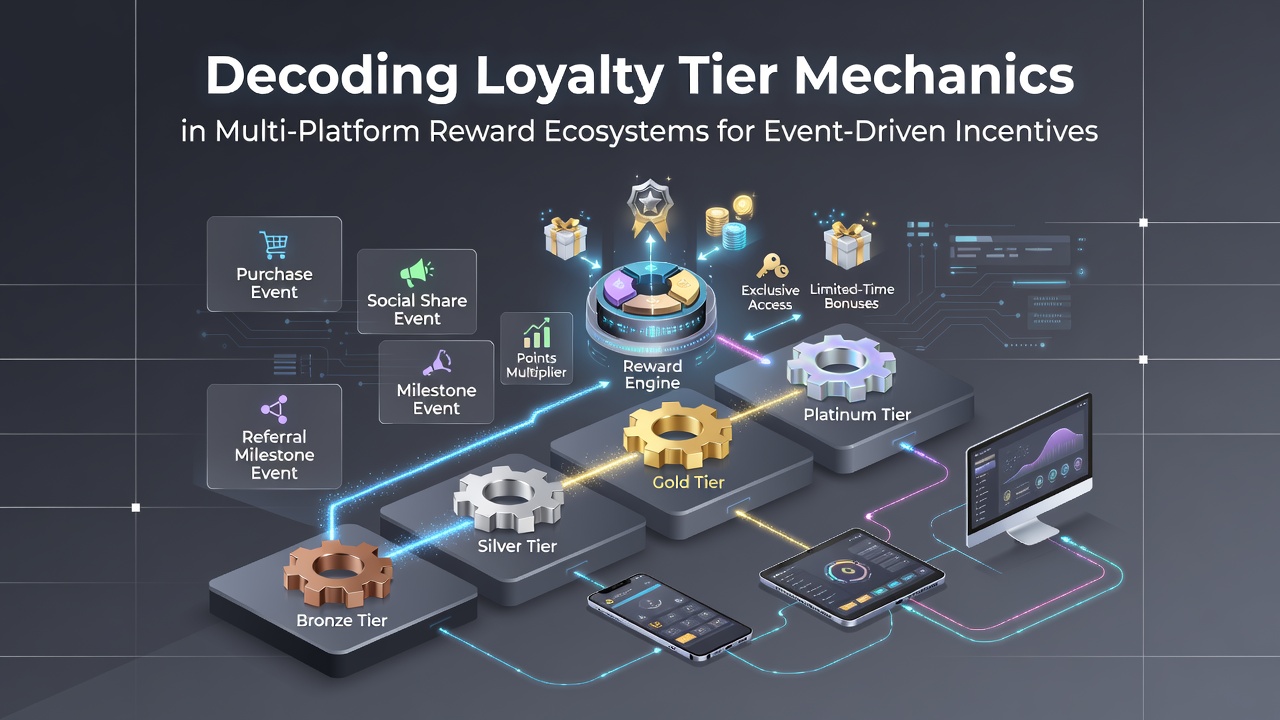
Navigating Tier Structures in Integrated Reward Systems for Event-Based Benefits
Multi-platform reward ecosystems operate through structured tier systems that allocate benefits based on user activity levels across connected services, with event-driven incentives serving as the primary mechanism for unlocking higher status and associated perks. These systems integrate data from various platforms including retail applications, travel networks, and digital service providers to calculate qualifying points or spending thresholds that determine tier placement.
Core Components of Tier Mechanics
Observers note that tier structures typically follow a progressive model where entry-level access requires minimal engagement while advanced tiers demand sustained participation over defined periods. Data from industry reports indicate that qualification periods often span 12 months with rolling calculations that reset annually in many cases. Researchers at academic institutions have documented how point multipliers apply during promotional windows and how these multipliers vary by tier to encourage retention among higher-status members.
Event-driven incentives activate when specific conditions align such as seasonal sales periods, personal milestone achievements, or cross-platform collaborations. According to analyses from the Australian Competition and Consumer Commission, these triggers frequently coincide with major shopping events in August 2026 where participating brands synchronize offers to maximize user interaction across ecosystems. The mechanics rely on real-time data sharing protocols that allow platforms to recognize qualifying actions and apply rewards instantaneously.
Cross-Platform Integration Patterns
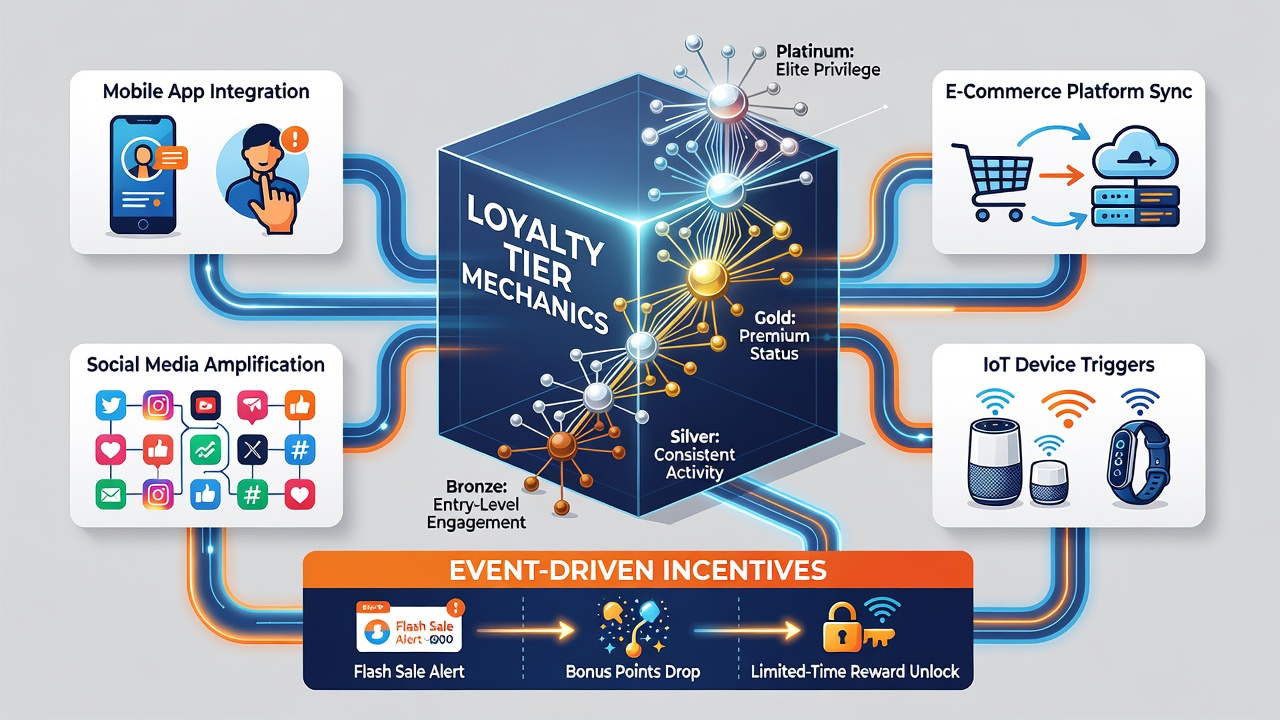
Integration occurs through application programming interfaces that enable seamless transfer of user data between partner services while maintaining compliance with regional privacy regulations. European Union data protection frameworks require explicit consent mechanisms before information flows between platforms, and similar standards appear in Canadian regulatory guidelines. Those who manage these systems emphasize that API connections must handle variable data formats to accommodate different loyalty currencies ranging from points to cashback equivalents.
Studies from research institutions reveal that successful ecosystems maintain centralized dashboards where users view aggregated progress toward tier thresholds across all linked services. This visibility reduces friction and supports informed decision-making about which activities yield the greatest advancement. Figures released in mid-2026 show increased adoption of such unified interfaces among North American providers seeking to compete with established Asian market models.
Event Triggers and Incentive Structures
Event triggers function as conditional rules engines that evaluate user behavior against predefined criteria before distributing tier-specific rewards. Common events include purchase milestones during limited-time campaigns, referral completions that expand network participation, and seasonal participation in sponsored activities. Industry organizations tracking these patterns report that event frequency has risen steadily with digital platform growth, creating more opportunities for tier progression within shorter timeframes.
One study revealed that users who engage with multiple event types simultaneously achieve tier upgrades at higher rates than those focusing on single-platform activities. This finding aligns with observations from trade groups monitoring reward program performance across sectors. Multipliers applied during events often scale with current tier level, creating compounding effects that accelerate advancement for established participants while still offering meaningful entry points for newcomers.
Qualification Thresholds and Maintenance Rules
Qualification thresholds vary significantly between ecosystems with some requiring fixed spending amounts and others relying on engagement metrics such as login frequency or content interactions. Maintenance rules typically mandate minimum activity levels within each qualification cycle to prevent tier demotion. Reports from university-led research projects demonstrate that clear communication of these rules correlates with higher user satisfaction and continued participation rates.
Regional variations influence threshold design as providers adapt to local market conditions and consumer expectations. North American programs often emphasize spending volume while European counterparts incorporate sustainability metrics into tier calculations. Data compiled through 2026 indicates growing convergence toward hybrid models that blend transactional and behavioral criteria to appeal to broader user segments.
Technical Considerations in System Design
System architects address scalability challenges when handling concurrent event processing across millions of user accounts during peak periods. Load balancing techniques and predictive analytics help maintain performance standards when event-driven surges occur. Government agencies in multiple jurisdictions monitor these technical implementations to ensure fair treatment of participants and accurate reward distribution.
Security protocols protect sensitive user data throughout the tier calculation and incentive delivery processes. Encryption standards and access controls form baseline requirements while advanced systems incorporate anomaly detection to identify potential abuse patterns. Those responsible for ongoing maintenance update these measures regularly in response to emerging threat landscapes.
Conclusion
Tier mechanics within multi-platform reward ecosystems continue evolving as providers refine event-driven incentive models to balance user engagement with operational sustainability. Integration patterns established through 2026 reflect increasing emphasis on cross-border data standards and unified user experiences. Continued observation of these systems provides insight into how structured progression frameworks influence participation across diverse service categories.