
Premier League Clubs Scramble for Sponsors as Gambling Ban Threatens £80m Revenue Hole in 2026 Season
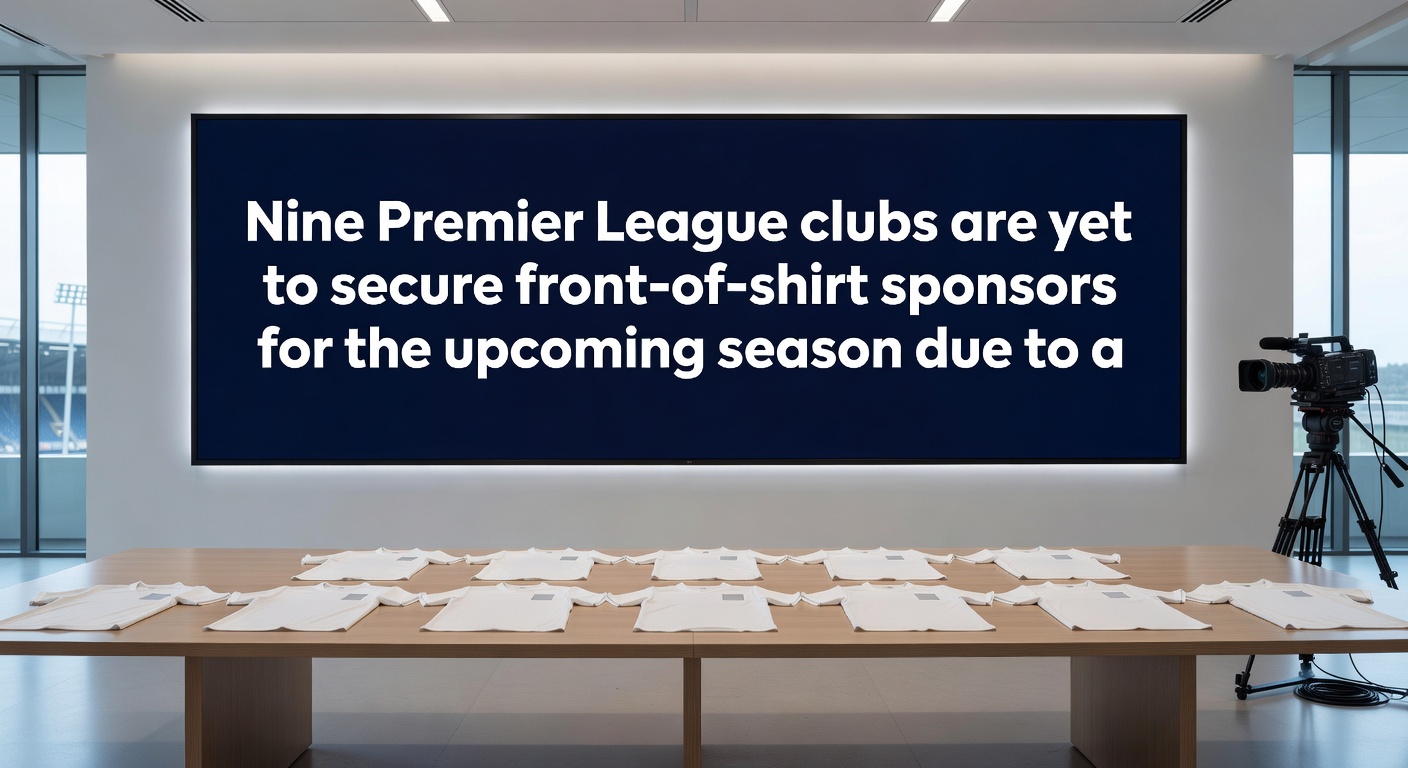
As April 2026 unfolds, nine Premier League clubs remain without front-of-shirt sponsors for the upcoming season; this gap stems directly from an imminent ban on gambling companies advertising on shirts, which threatens to create a staggering £80m revenue void across the league, according to reports from The Guardian.
The Ban's Origins and Timeline
Clubs face this crunch because the Premier League voluntarily implemented the gambling sponsorship ban following consultations with the UK government; originally slated for an earlier deadline, the policy got delayed, yet now it looms large just weeks into April 2026, forcing teams to pivot quickly toward non-gambling alternatives. What's interesting is how this move, while self-imposed, aligns with broader regulatory pressures seen worldwide—take, for instance, Italy's Agenzia delle Dogane e dei Monopoli, which has long restricted gambling ads in sports to curb problem betting, a pattern echoing across Europe.
Data indicates that gambling firms previously dominated front-of-shirt deals, accounting for a significant chunk of mid-table clubs' income; now, with the ban in effect, those revenue streams have dried up almost overnight, leaving smaller outfits particularly exposed since they lack the global pull of the 'big six' like Manchester City or Liverpool.
Clubs Still in the Lurch
Nine teams—ranging from established sides to ambitious newcomers—haven't locked in replacements yet; observers note that Wolves, West Ham, Crystal Palace, Leicester, Southampton, Ipswich, Nottingham Forest, Brighton, and one additional club hover in negotiations, their kits set to debut blank or interim-sponsored come August kickoff. But here's the thing: while the 'big six' swiftly transitioned to mega-deals with airlines, tech giants, or crypto firms worth tens of millions, the rest scramble in a tougher market where offers have plummeted by around 50% for those outside the elite tier.
Figures reveal this disparity starkly; clubs like Brentford and Bournemouth, punching above their weight, did secure non-gambling pacts—Brentford with job site Indeed at roughly £4m-£5m annually, Bournemouth linking up with health insurer Vitality for a similar sum—yet even these represent a step down from past gambling hauls that often topped £10m. Everton and Fulham, meanwhile, haggle with financial services providers such as CMC Markets, a shift toward fintech that underscores the scramble for stability amid the void.
Revenue Impacts and the £80m Void
That potential £80m hole across the league doesn't just evaporate; it pinches budgets for transfers, wages, and infrastructure, especially for clubs reliant on sponsorships for 10-20% of their commercial income, as past financial reports have shown. Researchers who've tracked Premier League finances point out that gambling sponsors filled a niche perfectly suited to matchday visibility—logos splashed across TV screens worldwide—yet now alternatives must compete in a saturated space dominated by the giants.
And while Brentford's Indeed deal brings search-engine muscle to the Hive, or Bournemouth's Vitality tie-in promotes wellness (an ironic twist post-gambling era), the drop-off hits hardest for mid-pack teams; Southampton, newly promoted, eyes U.S.-style health brands after their ascent, but negotiations drag because non-gambling firms demand proven audiences, not promises. Turns out, the ban's voluntary nature bought time—delayed from 2025—but April 2026 deadlines mean some kits might ship sponsorless, a rarity in the cash-flush Premier League.
Heightened Competition and Strategic Shifts
Competition for the remaining spots intensifies daily; clubs outside the 'big six' court everything from e-commerce to energy drinks, yet offers hover at half prior values, compelling creative pitches like co-branded fan experiences or digital extensions. Take Fulham, whose riverside stadium appeals to London fintechs—CMC Markets eyes visibility among affluent supporters—while Everton leverages their new Bramley-Moore Dock home for maritime-tied sponsors, although progress stalls amid the rush.
Experts observe that this reshuffle mirrors trends elsewhere; in Australia's A-League, where the Australian Communications and Media Authority enforces ad restrictions, clubs pivoted to tourism boards years ago, boosting local ties but capping earnings— a cautionary parallel for English sides now chasing similar paths. What's significant is how the ban spurs innovation; Brighton, for example, explores AI firms after rejecting quick-fix offers, betting on long-term tech alignment over short-term cash.
Leicester, fresh from promotion battles, targets Midlands manufacturers; Ipswich, the surprise package, woos regional breweries stripped of alcohol ad limits (unlike gambling's total blackout). Yet Wolves and West Ham, with larger squads and histories, face steeper climbs—their global fanbases should attract deals, but 50% offer drops mean haggling over £3m-£4m baselines that once stretched higher.
Cases Spotlighting the Transition
Brentford's story stands out; managers there inked the Indeed pact swiftly, leveraging data analytics prowess that mirrors their on-pitch style—£4m-£5m secures the chest spot through 2027, a win in choppy waters. Bournemouth followed suit with Vitality, whose wellness focus (parent company of Premiership Rugby sponsors) fits the south coast vibe; annual value matches Brentford's, yet both underscore the new norm—modest sums from stable sectors replacing volatile betting bucks.
Everton's CMC talks heat up; the spread-betting platform (non-gambling classified) promises financial literacy tie-ins, potentially bridging the revenue dip while nodding to fan demographics. Fulham mirrors this, their negotiations blending tradition with modernity—Cottagers' support base draws banks eyeing prime-time exposure. One study from sports economists at Loughborough University highlighted how such bans historically redirect 30-40% of funds to squad investments, although short-term pain lingers league-wide.
Now, with pre-season looming, unsigned clubs like Crystal Palace test placeholders—training kits blank, matchday mocks probing fan reactions—while Nottingham Forest eyes eco-brands, aligning with Trent-side greenery. Southampton and Ipswich, promotion darlings, hustle American investors; Brighton's patient stance pays dividends if tech lands big.
Broader League Dynamics
The ripple effects extend beyond shirts; heightened competition squeezes agent fees, media rights negotiations turn fiercer, and FFP compliance gets trickier for debt-laden outfits. Observers note that the 'big six'—Chelsea with Infinite Athlete, Arsenal's Visit Rwanda extension, others similarly padded—weather this effortlessly, their £20m-plus deals dwarfing the fray below. But for the nine adrift, April 2026 marks a pivot point; voluntary ban or not, the government's nudge (via white papers and delays) enforces change, much like EU directives curbing ads during family viewing hours.
People who've studied sponsorship cycles know recovery takes seasons; post-tobacco bans in Formula 1, teams diversified into telecoms, a blueprint Premier League mid-tier follows now. That's where the rubber meets the road—will Wolves snag a Midlands auto giant, or West Ham lure East End enterprises? The clock ticks toward summer tours, blank chests a potential embarrassment in Asia or the U.S.
Conclusion
In summary, nine Premier League clubs navigate a sponsor drought in April 2026, courtesy of the gambling ban's firm arrival; the £80m void tests resolve, with Brentford, Bournemouth leading breakthroughs at £4m-£5m via Indeed and Vitality, while Everton, Fulham chase fintech futures. Competition surges, offers halve for non-elites, yet strategic pivots—from AI to wellness—signal adaptation underway. Data underscores the stakes, historical parallels offer hope, and as kits finalize, the league's commercial mosaic reshapes before fans' eyes, proving that even in football's heartland, bans breed reinvention.