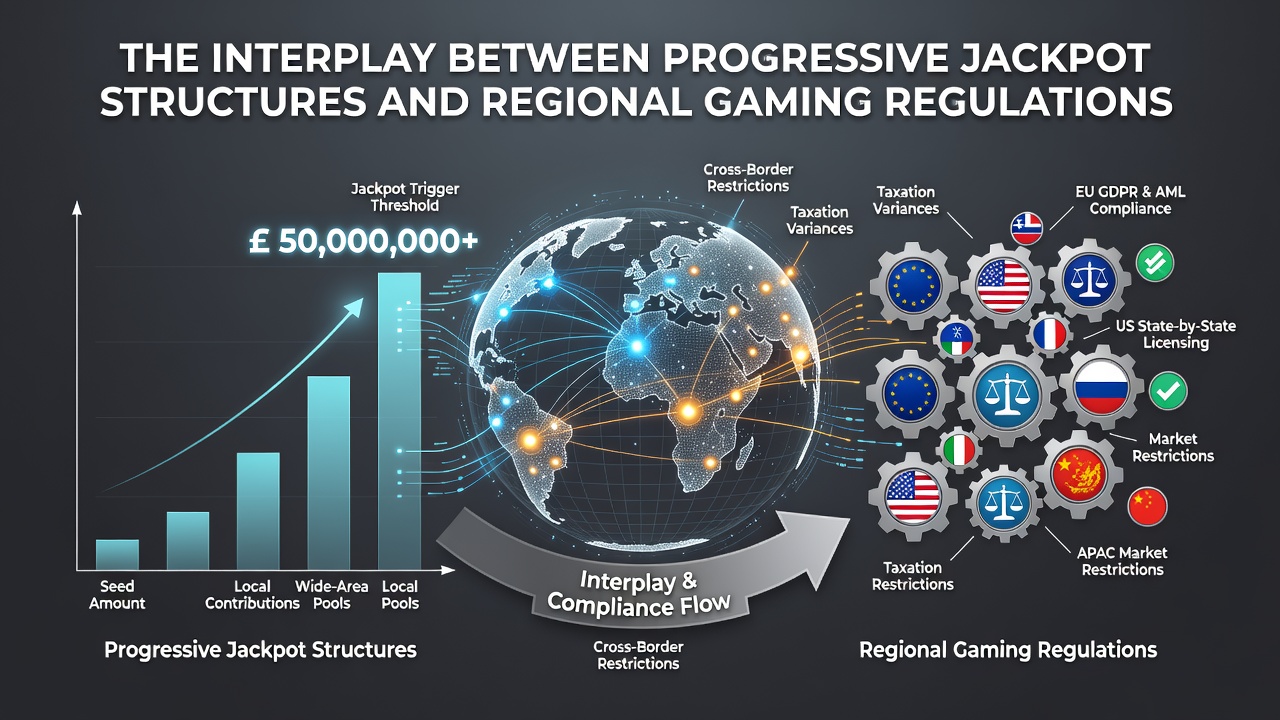
Progressive Jackpot Systems Meet Diverse Regional Oversight Rules
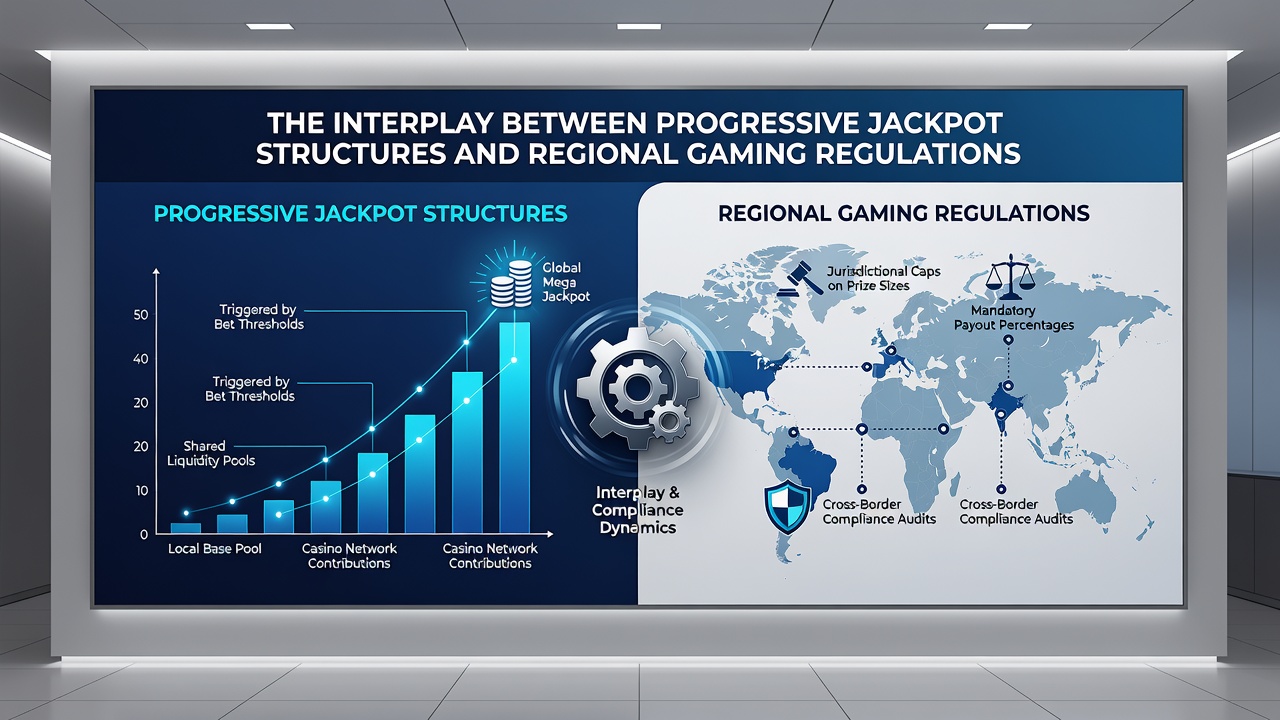
Progressive jackpot structures pool contributions from multiple machines or venues into a single growing prize, and this model creates unique compliance challenges when operators cross state or national borders. Regional gaming regulations often dictate how much each bet contributes to the pool, whether the jackpot can span jurisdictions, and what happens to the fund if a game is discontinued. Data from industry reports shows that these rules vary sharply, with some areas requiring separate licensing for linked systems while others impose strict caps on total contributions per player session.
Core Mechanics of Progressive Jackpots
Operators build progressive jackpots by allocating a percentage of each wager to a central prize pool, and the amount rises until a qualifying win occurs. Standalone versions remain confined to one machine or venue, yet networked progressives connect dozens or hundreds of units across multiple locations, which immediately triggers oversight from every participating authority. Researchers at gaming analysis firms note that contribution rates typically range from 1 to 5 percent of bets, yet regulators frequently adjust these percentages to protect player funds and ensure system transparency.
Regulatory Differences Across Major Markets
North American jurisdictions illustrate the complexity well. Nevada requires operators to maintain reserve funds equal to the current jackpot amount plus a buffer, while New Jersey demands real-time reporting of pool growth through approved software. Canadian provinces such as Ontario impose additional testing intervals for linked systems, and these requirements force software providers to customize code for each market. In Europe, several countries treat cross-border progressives as multi-jurisdictional lotteries, which subjects them to consumer protection directives that limit advertising and mandate clear disclosure of odds.
Australian states add another layer by capping the maximum prize in some venues and requiring independent audits before any jackpot can reset after a win. Observers note that these audits must verify both the random number generator and the exact contribution history, a process that can delay payouts by weeks when multiple regulators are involved.
Compliance Challenges for Operators
Companies running international progressive networks must maintain separate ledgers for each region because contribution percentages, tax treatments, and reserve requirements differ. One study from a European research institute revealed that operators spend up to 15 percent of jackpot revenue on compliance staff and software modifications alone. When a major win occurs, the prize distribution follows the rules of the jurisdiction where the winning bet was placed, even if the pool drew contributions from elsewhere.
August 2026 marks the scheduled rollout of updated reporting standards in several Australian states, and these changes will require operators to submit daily pool reconciliations rather than the current monthly summaries. Similar updates are under discussion in parts of Canada, where authorities seek to align digital ledger requirements with emerging blockchain verification tools.
Impact on Game Design and Player Experience
Game developers adjust jackpot triggers and contribution rates during the design phase to satisfy the strictest market they plan to enter. Some titles now feature modular jackpot engines that can disable or reduce contributions in regions with tighter caps. Those who've studied player behavior data indicate that visible jackpot counters still drive engagement, yet regulatory limits on advertising in certain countries reduce how prominently these figures appear in marketing materials.
Future Developments in Oversight
Industry associations continue to push for harmonized standards that would allow smoother cross-border linking without duplicative audits. Meanwhile, regulators in multiple regions are exploring real-time monitoring platforms that could replace periodic inspections. Data shared at recent international conferences suggests that standardized technical protocols might reduce compliance costs while maintaining the same level of player protection currently achieved through separate regional reviews.
Conclusion
The relationship between progressive jackpot structures and regional gaming regulations remains dynamic as markets expand and technology evolves. Operators that track rule changes across jurisdictions can maintain compliant networks, while developers continue to build flexible systems that adapt to shifting requirements. Regulatory bodies in North America, Europe, and Australia each apply distinct frameworks, yet the common goal of safeguarding player funds drives ongoing refinement of these rules.