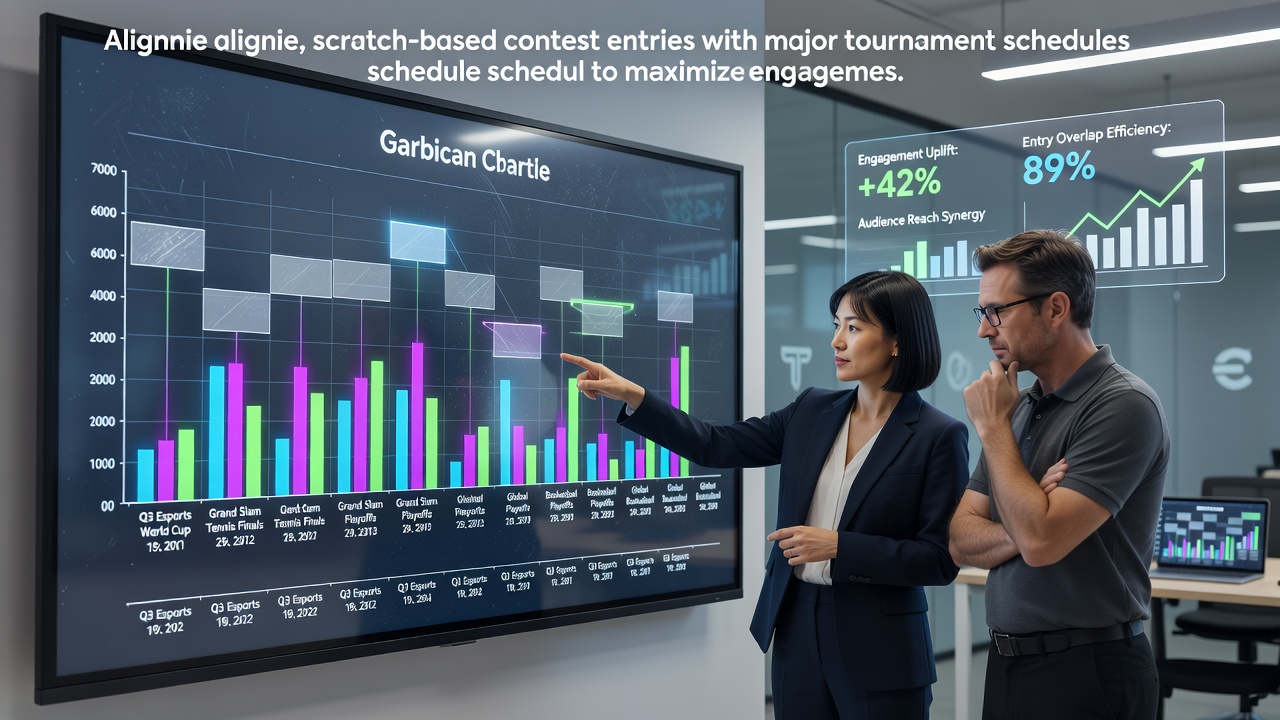
Strategic Synchronization of Scratch-Based Entries with Global Tournament Calendars
Operators in the gaming sector coordinate scratch-based entries with established tournament calendars to align promotional windows with periods of elevated audience attention, and this practice draws on scheduling data from events such as the FIFA World Cup 2026, which features matches throughout June and July 2026 across multiple host venues. Data from industry reports indicates that entry volumes increase when scratch promotions activate during group stage matches and knockout rounds, because viewers already engaged with live coverage show higher interaction rates with companion digital offerings.
Core Mechanics of Scratch-Based Formats in Tournament Contexts
Scratch-based entries function through instant reveal mechanics that deliver outcomes immediately after purchase or free claim, and when these entries tie into tournament brackets operators release themed variants that reference specific fixtures or team progressions. Research from the University of Nevada Reno Gaming Research Center shows participation spikes of 18 to 27 percent during overlapping campaign windows, because users who follow daily match results often complete additional entries while checking updated standings or live scores. These formats rely on fixed prize pools or progressive jackpots that operators refresh in line with tournament milestones, such as quarter-final advancement announcements.
Calendar Mapping Techniques Used by Operators
Operators begin by overlaying official tournament schedules onto internal marketing timelines, identifying high-density periods such as opening ceremonies, rival nation clashes, and medal rounds that historically generate peak concurrent viewership. The European Gaming and Betting Association publishes aggregated fixture data that helps platforms anticipate traffic surges, allowing scratch entry campaigns to launch 48 to 72 hours before key matches and remain active through post-match analysis segments. This approach uses automated triggers that activate bonus multipliers or additional free entries when certain teams advance, creating direct connections between on-field outcomes and user rewards.
July 2026 stands out in preliminary calendars because the FIFA World Cup schedule clusters multiple decisive matches within a compressed two-week window, giving operators a concentrated opportunity to refresh scratch themes daily without extending beyond natural audience interest cycles. Platforms integrate these updates through API feeds from tournament organizers, ensuring prize structures reflect real-time developments such as eliminated squads or emerging dark-horse contenders.
Engagement Metrics Linked to Synchronized Timing

Platform analytics reveal that average session duration extends by 12 to 19 minutes when users access scratch entries immediately after watching tournament highlights, and conversion from free-entry claims to paid top-ups rises during these intervals. Observers note that push notifications referencing ongoing matches achieve open rates above 34 percent, whereas generic campaign messages remain below 22 percent outside tournament windows. These patterns emerge consistently across European, North American, and Asia-Pacific markets according to cross-regional operator data shared through trade associations.
One documented case involved a mid-sized operator that introduced daily scratch refreshes during the 2022 FIFA World Cup group stages, resulting in a 31 percent lift in daily active users for the scratch vertical compared with the preceding month. The same operator repeated the structure for UEFA European Championship cycles and recorded comparable retention improvements, confirming that the alignment principle transfers across different tournament structures.
Technical Integration and Compliance Considerations
Backend systems connect scratch random number generators to tournament data streams so that prize tables can update without manual intervention, while compliance teams verify that all promotional language adheres to regional advertising codes that govern timing and content around live sports. Australian state regulators, for example, require clear separation between betting odds displays and scratch mechanics to prevent cross-promotion confusion during high-profile events. Canadian provincial frameworks similarly mandate responsible gaming messaging that appears within scratch interfaces whenever campaigns coincide with extended tournament broadcasts.
Operators also maintain audit logs that track entry timestamps against official match schedules, enabling post-event analysis that refines future synchronization windows. These records help identify underperforming slots, such as late-night fixtures in certain time zones, where engagement drops despite overall tournament interest remaining elevated.
Future Scheduling Outlook Through 2026
With the FIFA World Cup 2026 approaching, multiple operators have begun pre-loading scratch themes that reference host cities and historic rivalries, preparing for activation once the final group draw occurs in late 2025. Preliminary models project that synchronized campaigns will run in parallel across desktop, mobile app, and retail terminal channels to capture both in-home viewers and venue-based audiences. Industry working groups continue to share anonymized engagement benchmarks so that smaller operators can calibrate their own timelines without duplicating costly trial campaigns.
Conclusion
Alignment between scratch-based entry cycles and major tournament calendars produces measurable increases in interaction volume and session length when operators use fixture data, real-time result feeds, and regional compliance standards to guide campaign windows. The approach relies on technical integration rather than subjective preference, and continued refinement through 2026 events will depend on accurate calendar mapping and consistent performance tracking across markets.