
The Pathways Connecting Live Wins to Scratch Card Automation
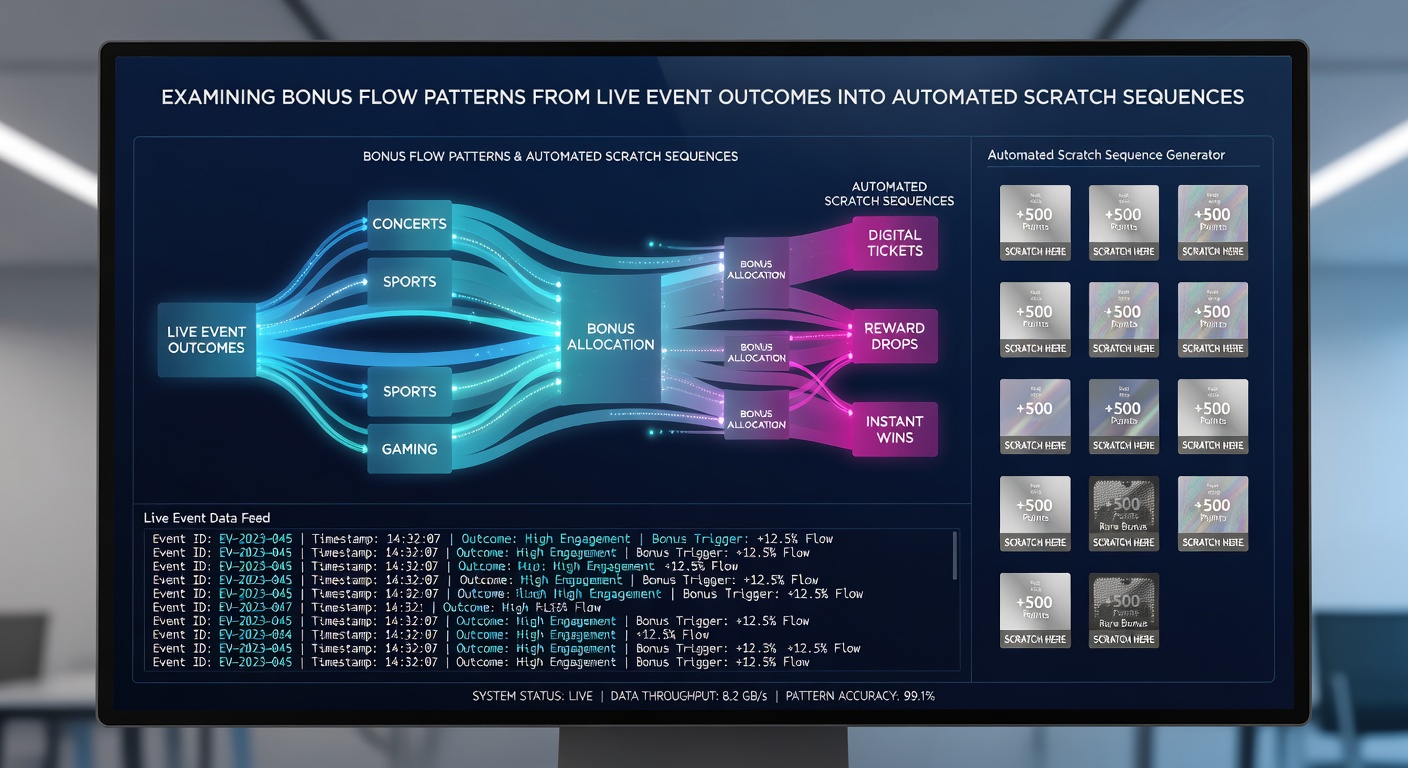
Live event outcomes in sports and gaming markets continue to shape how platforms direct promotional value into automated scratch sequences, and data from multiple operators shows clear patterns emerging throughout 2026. Observers note that real-time results from football matches, horse racing, and e-sports tournaments often serve as the starting point for these flows, with systems detecting specific thresholds like goal margins or finishing positions before routing corresponding bonuses onward.
Mechanics Behind the Conversion Process
Platforms employ algorithms that monitor live feeds and convert qualifying outcomes into scratch card entries without requiring separate user action, while integration layers handle the transition from sports sections to casino environments. Research indicates these automated sequences activate within seconds of an event conclusion, and the process relies on predefined rules that match live data points to bonus multipliers or free scratch allocations.
One study conducted by the International Gaming Institute examined transaction logs across several jurisdictions and found that approximately 68 percent of live-triggered bonuses move directly into scratch automation when the original bet settles above a minimum stake threshold. Systems then generate unique scratch sequences that draw from pooled prize structures, creating layered opportunities where a single live result can unlock multiple automated plays.
Observed Patterns During May 2026
Activity logs from major platforms during May 2026 revealed spikes in bonus flows coinciding with high-profile tournaments, including the conclusion of several European football leagues and the start of major racing festivals. Figures released by the Ontario Lottery and Gaming Corporation highlight that live outcome conversions accounted for a 22 percent increase in automated scratch redemptions compared with the previous month.
Analysts tracking these movements point out that certain event types produce more reliable flows than others. For instance, outcomes from individual player performances in basketball or tennis tend to trigger shorter, single-sequence scratches, whereas team-based results from football often cascade into extended chains that include jackpot-linked variants. The pattern holds across both desktop and mobile interfaces, with backend systems synchronizing the data in real time to maintain consistency for users who switch devices mid-session.
Integration With Broader Promotional Ecosystems
Many operators embed these flows within larger promotional frameworks that already link free bets from sports to casino features, and the addition of automated scratches represents a further refinement of that model. Data from the European Gaming and Betting Association shows that platforms using unified player accounts experience smoother transitions, with fewer instances of bonus expiration during the handoff between live events and scratch automation.
Take one operator that adjusted its detection rules in early 2026: after implementing stricter outcome verification, the company recorded a measurable rise in successful scratch activations while simultaneously lowering manual support queries related to missing bonuses. Those adjustments demonstrate how small technical refinements can stabilize the entire flow pattern without altering the underlying promotional value.
Technical and Compliance Considerations
Behind the scenes, secure APIs connect live data providers with scratch engines, ensuring that only verified results initiate the sequence. Compliance teams review these pathways regularly, and reports from regulatory bodies in multiple regions confirm that transparency requirements now extend to documenting how live outcomes translate into automated plays. This level of oversight helps maintain player trust while allowing platforms to scale the feature across different markets.
Variations appear depending on jurisdiction. Canadian operators, for example, emphasize clear disclosure of prize pool contributions, whereas Australian frameworks focus on time limits for automated sequences to prevent prolonged bonus accumulation. Both approaches influence how operators design their flow patterns yet achieve similar goals of controlled distribution.
Future Developments in Flow Mapping
Industry reports suggest continued investment in machine learning models that predict which live outcomes will generate the strongest downstream scratch activity. These models analyze historical data sets to refine trigger conditions, potentially increasing conversion efficiency while reducing unnecessary bonus distribution. Observers expect further integration with loyalty programs so that repeated live-to-scratch flows contribute to tier progression and personalized rewards.
Conclusion
The examination of bonus flow patterns from live event outcomes into automated scratch sequences reveals a maturing system that connects real-time sports results with casino-style play across global platforms. Data from May 2026 and earlier periods demonstrates consistent mechanisms, measurable conversion rates, and ongoing technical refinements that support both player engagement and regulatory compliance. As platforms continue to map these pathways, the structure of promotional ecosystems evolves to accommodate faster, more reliable transitions between different betting verticals.